



Chevy Blazer EV Review for Illinois Drivers
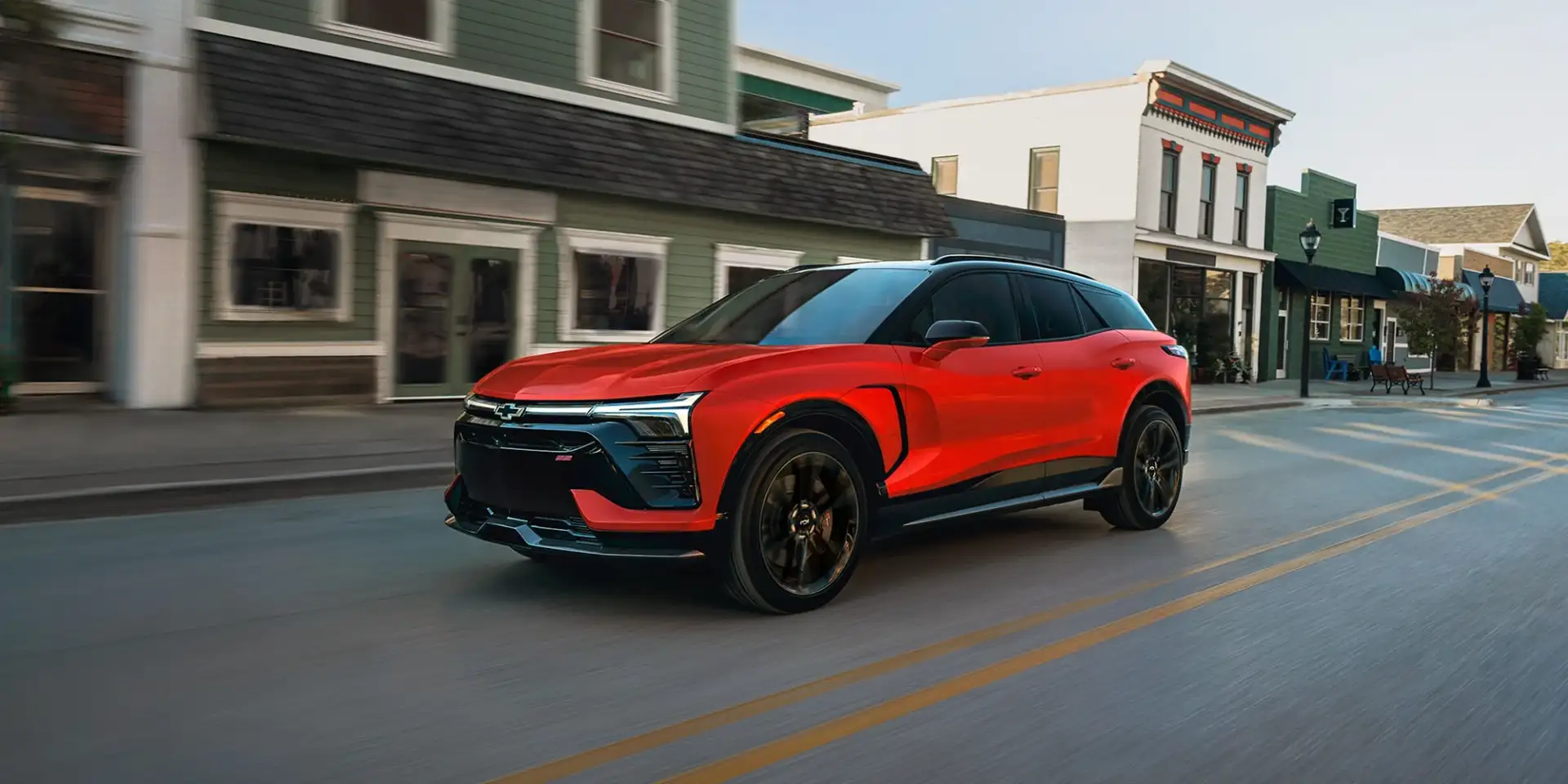
The Blazer EV makes its case before it even moves. Its low, wide stance and available two-tone look feel more like a sporty crossover than a traditional family SUV. But a useful Chevy Blazer EV review needs to go beyond the design. For drivers around Gurnee, Mundelein, Grayslake, and Lake Forest, the real questions are whether the range fits everyday life, how easily charging works, and whether this EV is practical enough for the family routine.
The short answer: for many drivers, yes. The Blazer EV delivers a genuinely enjoyable driving experience, a roomy and modern cabin, and enough available range to make daily charging unnecessary for most households. It is not the perfect fit for every buyer, especially those without convenient home or workplace charging, but it deserves a close look from shoppers who want an electric SUV without giving up comfort or personality.
Chevy Blazer EV Review: What It Gets Right
The Blazer EV is built on Chevrolet’s dedicated EV architecture rather than adapted from a gas-powered SUV. That difference shows up in the layout. With the battery mounted low in the floor, the vehicle has a planted feel through curves and a quiet, stable ride on the highway. It also helps preserve passenger space, so the cabin does not feel like it is making a major compromise to go electric.
The dashboard is a centerpiece. A large center display, digital driver information screen, and available ambient lighting give the interior a more upscale, technology-forward atmosphere than many shoppers may expect from a midsize Chevrolet SUV. The screen layout is generally straightforward once set up, with useful controls for drive settings, charging information, navigation, and climate functions.
Acceleration is another highlight. Even the less powerful versions respond quickly when pulling into traffic or passing on Route 41 or I-94. Available all-wheel drive adds extra confidence for Illinois winters, while the performance-focused SS model is aimed at drivers who want much stronger acceleration. The regular LT and RS trims will be the more natural choices for most households, but it is good to have options that suit different priorities.
Range and Charging for Everyday Driving
Range is often the first concern for EV-curious shoppers, and the Blazer EV offers competitive numbers for a midsize electric SUV. EPA-estimated range reaches up to 312 miles on a full charge with front-wheel drive, while the high-performance SS is rated at up to 302 miles. Actual results will vary with speed, outside temperatures, tire condition, cargo, and cabin climate use.
For most local driving, that range means a Blazer EV can handle a full week of commuting, errands, school activities, and weekend plans without needing a public charger. A driver commuting between Waukegan and Schaumburg, for example, may only need to plug in at home a couple of times per week, depending on mileage and charging habits.
At home, Level 2 charging is the convenient long-term solution. Plugging in overnight lets the SUV start each morning with the range needed for the day, much like charging a phone. The Blazer EV can also use DC fast charging for road trips, with charging capability designed to add a meaningful amount of range during a meal or rest stop. Chevrolet notes that compatible fast chargers can add a meaningful amount of range in a short stop under ideal conditions.
That last phrase matters: ideal conditions. Fast-charging speeds depend on charger output, battery temperature, battery state of charge, and weather. Charging slows as the battery gets closer to full, so road-trip stops are usually most efficient when charging from a low level to around 80 percent rather than waiting for 100 percent.
The Home-Charging Question Matters Most
Before choosing any EV, think honestly about where it will charge most often. A garage, driveway, or regular workplace charger can make Blazer EV ownership feel easy. Apartment residents and households that depend entirely on public charging should map nearby stations and consider their routines more carefully.
Public charging availability continues to grow, and the Blazer EV supports access to a broad charging network through compatible stations, and its standard NACS charge port opens access to Tesla Superchargers. Still, charging convenience is personal. A buyer with reliable overnight charging may find the transition from gas nearly effortless. A buyer who must make a special trip to charge each week may prefer a gas-powered Blazer, a hybrid alternative, or a different ownership plan.
Interior Space and Family Use
The Blazer EV seats five and offers the kind of flexible space families expect from a midsize SUV. Rear-seat passengers have comfortable room for most adults, while the cargo area can handle groceries, sports equipment, strollers, and the gear that seems to multiply before a weekend away. Fold the rear seats down, and it is better suited to larger home-improvement purchases or bulky items.
This is not a three-row SUV. Families who regularly carry more than five people may be better served by a Chevrolet Traverse. Shoppers whose top priority is a smaller footprint and maximum efficiency may also want to compare the Blazer EV with the Equinox EV. The Blazer EV lands in the middle: more expressive and more spacious than a compact EV, but easier to park and manage than a large three-row vehicle.
Available features can make everyday use more pleasant, including heated and ventilated front seats, a heated steering wheel, a power liftgate, premium audio, and driver-assistance technology. Features vary by trim and package, so it is worth checking the equipment on the specific vehicle rather than assuming every Blazer EV includes the same setup.
How Does It Drive Compared With a Gas SUV?
The most noticeable change is the quiet. At neighborhood speeds, there is no engine sound or vibration, and the Blazer EV moves away from a stop with immediate, smooth power. The low battery placement also reduces body lean compared with many taller SUVs, which gives the vehicle a confident, composed character.
Regenerative braking takes a little adjustment for first-time EV drivers. When the driver lifts off the accelerator, the vehicle can slow down while sending energy back to the battery. Some people quickly enjoy the one-pedal driving feel, especially in stop-and-go traffic. Others may prefer a more conventional setting at first. The Blazer EV gives drivers options, which is the right approach for a vehicle likely to welcome many first-time EV owners.
The trade-off is weight. Like most EVs with large battery packs, the Blazer EV is heavier than a comparable gas SUV. It feels stable rather than clumsy, but drivers looking for a light, tossable crossover may notice the difference on rough roads or tight backroads.
Trim Choices and the Value of a Test Drive
The LT trim is a sensible starting point for shoppers focused on everyday usability, while the RS adds a sportier appearance and can offer more premium equipment. All-wheel-drive configurations make sense for drivers who want added traction in snow and rain. The SS is the enthusiast choice, pairing high-output performance with distinctive styling, but it may be more vehicle than many daily commuters need.
Rather than choosing solely by a range figure or a feature list, compare trims based on how you actually drive. Consider your round-trip commute, whether you have home charging, who rides in the back seat, and how often you take longer highway trips. A test drive is especially valuable with an EV because the quiet ride, instant torque, braking feel, and display controls are easier to understand from the driver’s seat than from a spec sheet.
Is the Blazer EV Right for You?
The Chevy Blazer EV is a strong match for drivers who want a midsize SUV with standout styling, responsive performance, useful real-world range, and the convenience of charging at home. It can be particularly appealing to families ready to reduce gas-station stops without moving into a much smaller vehicle.
It may not be the best fit if towing is your main priority, if you frequently need a third row, or if reliable charging is difficult to access. Shoppers who tow regularly may find a Silverado or a gas-powered SUV more aligned with their needs. Winter weather can also reduce EV range, so northern Illinois drivers should leave a sensible buffer during cold-weather trips.
A good next step is to sit in the Blazer EV, try its visibility and rear-seat space, and talk through charging options with the team at Libertyville Chevrolet. Bring your normal commute, family needs, and travel habits into the conversation. The right EV decision is not about chasing the biggest number on a window sticker – it is about finding a vehicle that makes every ordinary day easier to drive.
Frequently Asked Questions
Can the Blazer EV handle snow in Lake County?
Yes, with the right setup. The low, heavy battery helps keep the SUV planted, and the SS adds all-wheel drive. Tires matter most, so many northern Illinois owners switch to winter tires for the cold months. Plan for some range loss on frigid days and keep the vehicle plugged in overnight when possible. Libertyville Chevrolet can help you compare Blazer EV trims for winter driving.
Does the Blazer EV need less maintenance than a gas SUV?
There is no engine oil to change, no spark plugs, and no exhaust system, so routine maintenance is simpler. The Blazer EV still needs tire rotations, cabin air filter replacement, brake inspections, and periodic checks of its battery cooling system. Regenerative braking can reduce brake wear. The Libertyville Chevrolet service team works on hybrid and electric Chevrolet vehicles.
Should I choose a Blazer EV or a gas Blazer?
Start with charging. If you can plug in at home or work, the Blazer EV offers quiet driving, instant torque, and fewer stops for fuel. If you tow often, drive long rural distances, or lack reliable charging, the gas Blazer may be the simpler fit. Driving both back to back at Libertyville Chevrolet is the easiest way to feel the difference.
How do I find public chargers along my route?
The myChevrolet app and the vehicle’s built-in navigation can show compatible charging stations and help plan stops on longer trips. The U.S. Department of Energy’s station locator is another useful resource. Check each station’s connector type, power level, and whether it has room for your vehicle. The Libertyville Chevrolet team can answer charging questions during your test drive.
0 comment(s) so far on Chevy Blazer EV Review for Illinois Drivers