



Is the Chevy Traverse Third Row Family-Ready?
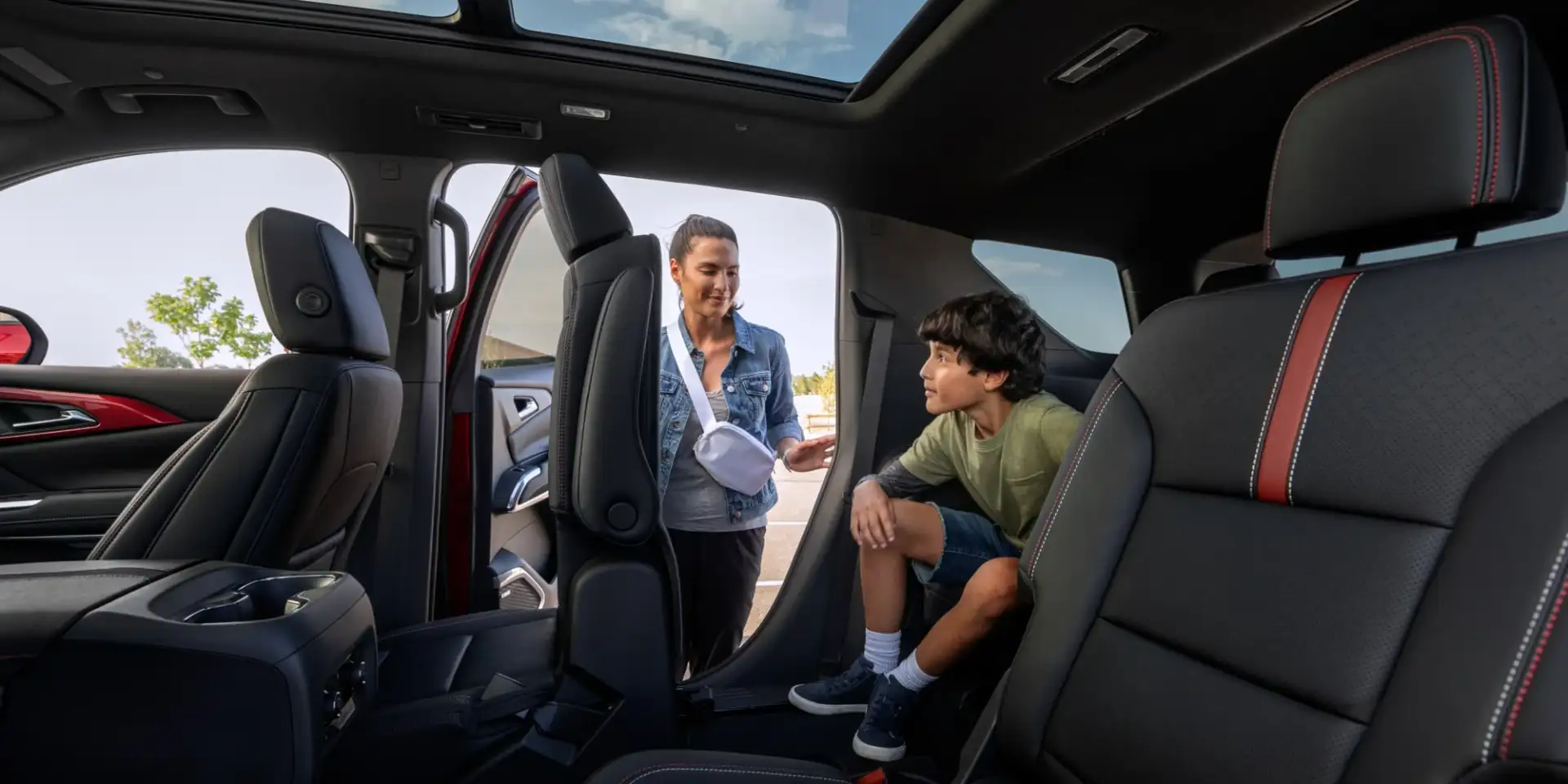
The Chevy Traverse third row is one of the biggest reasons families put this SUV on their shopping list. A third row is easy to find. A third row that can handle carpool duty, growing teenagers, visiting grandparents, and a weekend’s worth of gear is harder to find. The Traverse aims for the latter, making it a strong option for households that have outgrown a compact SUV but do not need a full-size truck-based model.
For families around Gurnee, Mundelein, Vernon Hills, and Grayslake, the real question is not simply whether the Traverse has three rows. It is whether that last row will work for the way your family actually travels.
What Makes the Chevy Traverse Third Row Different?
Recent Chevy Traverse models are built as roomy three-row crossovers, not two-row SUVs with a small extra bench added at the back. That distinction matters when the third row is going to see regular use.
The Traverse offers seating for seven or eight people, depending on the configuration. Models with second-row captain’s chairs create a center pass-through and provide a more comfortable setup for passengers who want their own space. A second-row bench can be the better choice for families who regularly carry more people and want maximum seating capacity.
Third-row legroom in recent Traverse models is generous, which puts it in a competitive position among midsize three-row SUVs. Numbers do not tell the entire story, but this is not a row reserved strictly for toddlers. Children and smaller adults should be comfortable for everyday trips, while many teens and average-size adults can manage shorter drives without feeling folded into the vehicle.
That said, comfort always depends on who sits where. If the second-row seats are positioned far back for tall passengers, the third row will naturally feel tighter. A family with two rear-facing child seats may also use the second row differently than a family with school-age children. That is why a real test drive is more valuable than a quick look through an open liftgate.
Getting Into the Third Row Matters More Than You Think
A roomy third row is only useful when passengers can reach it without frustration. The Traverse is designed with sliding second-row seating to help passengers access the back. With captain’s chairs, the center path can be especially useful when someone needs to move through the cabin without shifting a child seat.
A second-row bench requires passengers to use the folding and sliding seat function, which is normal for this class of SUV. Before choosing between bench seating and captain’s chairs, think about your daily routine. Captain’s chairs may make access easier and give older kids more personal space. A bench may make more sense if you need eight-passenger capacity or want room for three children across the second row.
Bring the people who will use the vehicle most often when you test-drive. Have kids buckle themselves into the third row. Ask a teenager to climb in after the second row has been adjusted for a realistic passenger. If you use child safety seats, bring one along and confirm how the seating arrangement works for your family.
Can Adults Ride in the Back?
Yes, with a little context. The Chevy Traverse third row is better suited to adults than the small rear seats found in many compact three-row SUVs. It is practical for a grandparent joining the family for dinner, a friend coming along to a game, or a group of adults on a shorter trip around Lake County.
For long highway drives, the second row remains the most comfortable place for taller adults. That is true in nearly every midsize three-row crossover. The Traverse advantage is that third-row passengers are not automatically relegated to an emergency-only seat. Families with teens will likely find the space more usable than they would in a smaller SUV.
Cargo Space Behind the Third Row
The trade-off with every three-row SUV is cargo room when all seats are occupied. The Traverse provides 22.9 cubic feet of cargo space behind the third row in recent models. That is enough for groceries, backpacks, a few soft-sided bags, or sports equipment, but packing for a full family vacation still takes planning.
For a typical school day, this area should handle the basics with ease. For a weekend at a tournament, consider who needs to sit in the third row and what gear has to come along. Soft bags and stackable items are often easier to fit than large hard-shell luggage.
When fewer than seven or eight people are traveling, the Traverse becomes much more flexible. Folding part or all of the third row opens up substantial room for strollers, home-improvement supplies, camping equipment, or the dog’s travel crate. With the rear rows folded, recent Traverse models offer up to 98 cubic feet of maximum cargo volume.
This is where a three-row SUV can make everyday life easier. You do not need to choose between having room for people and having room for stuff every single day. You can adapt the cabin to the trip.
Which Traverse Seating Setup Fits Your Family?
The best setup depends less on a trim name and more on your passengers. Families with three or more children may prefer an available second-row bench because it preserves eight-passenger seating. It can also be useful for carpooling, though it may mean third-row passengers need to move the second-row seat more often.
Captain’s chairs are a popular choice for families with two children or older kids. They provide a more open feeling in the cabin, make the center walk-through possible, and separate second-row passengers. If grandparents frequently ride along, captain’s chairs can also feel more comfortable and easier to access.
Do not overlook the value of checking the exact vehicle on the lot. Seating layouts, features, and materials can vary by model year and trim. If your decision comes down to bench seating versus captain’s chairs, spend time in both before making a final call.
Traverse Third Row vs. a Smaller Three-Row SUV
Shoppers sometimes start by comparing the Traverse with a smaller three-row crossover because they like the idea of a vehicle that is easier to park and potentially more compact. That can be a good fit when the third row will only be used occasionally by young children.
The Traverse becomes the stronger choice when the third row is part of the weekly routine. Its larger interior helps reduce the usual compromises: adults can use the back row more comfortably, cargo space remains useful behind it, and growing kids are less likely to outgrow the vehicle quickly.
On the other hand, a smaller SUV may be enough if you normally carry four or five people, have limited garage space, and only need an extra row for rare occasions. Being honest about your normal week, rather than shopping for one or two unusual trips each year, leads to a better fit.
What to Check During Your Test Drive
A careful walk-around and test drive can answer questions that a spec sheet cannot. Start with the third row folded up. Open the liftgate and place a stroller, folding chairs, grocery bags, or sports gear in the cargo area. Then fold the rear seat and see how the loading space changes.
Inside, adjust the driver’s seat and second row for the people who would normally ride there. Test the route to the third row from both sides of the vehicle. Check whether passengers can reach cupholders, charging ports, and climate controls comfortably. Finally, take the Traverse over familiar roads. A quiet, composed ride can make a meaningful difference when the back row is full after a long day.
If you are deciding between new and pre-owned options, compare the equipment on each individual vehicle instead of assuming every Traverse is equipped the same way. A newer model may offer updated technology or seating features, while a pre-owned Traverse may be the right match if it has the layout your family wants.
A third row should make family travel easier, not create a daily puzzle. At Libertyville Chevrolet, bring the whole crew, try the seating arrangements that fit your life, and see whether the Traverse gives every passenger a place they will actually want to ride.
Frequently Asked Questions
Can you fit three car seats in a Chevy Traverse?
Many families use child seats across the second and third rows of the Traverse, but fit depends on the specific seats, the seating layout and where the anchors are located. The easiest way to know is to bring your own car seats to Libertyville Chevrolet and install them in the exact configuration you plan to use before you buy.
Does the Traverse third row have LATCH anchors?
Anchor locations vary by seating configuration and model year, so check the owner’s manual or ask for a demonstration on the exact vehicle. Knowing where lower anchors and top tethers are located matters if you plan to place a child seat in the back row. The Libertyville Chevrolet team can walk you through the setup during a test drive.
Is the Traverse or Tahoe better for a family of six?
Both can carry six comfortably. The Traverse is a crossover that is usually easier to park and maneuver in everyday traffic, while the Tahoe is a larger body-on-frame SUV with more room for heavy cargo and bigger trailers. If your family often tows or packs for long trips, compare both side by side at Libertyville Chevrolet.
Can the Traverse third row fold flat for cargo?
Yes, the Traverse third row folds to create a flat load floor, and many configurations offer split folding so you can carry passengers and longer items at the same time. Try folding the seats yourself on the lot to see how easily it works. It is a quick check that tells you a lot about daily usability.
0 comment(s) so far on Is the Chevy Traverse Third Row Family-Ready?