



Chevy Traverse versus Kia Telluride Which Fits?
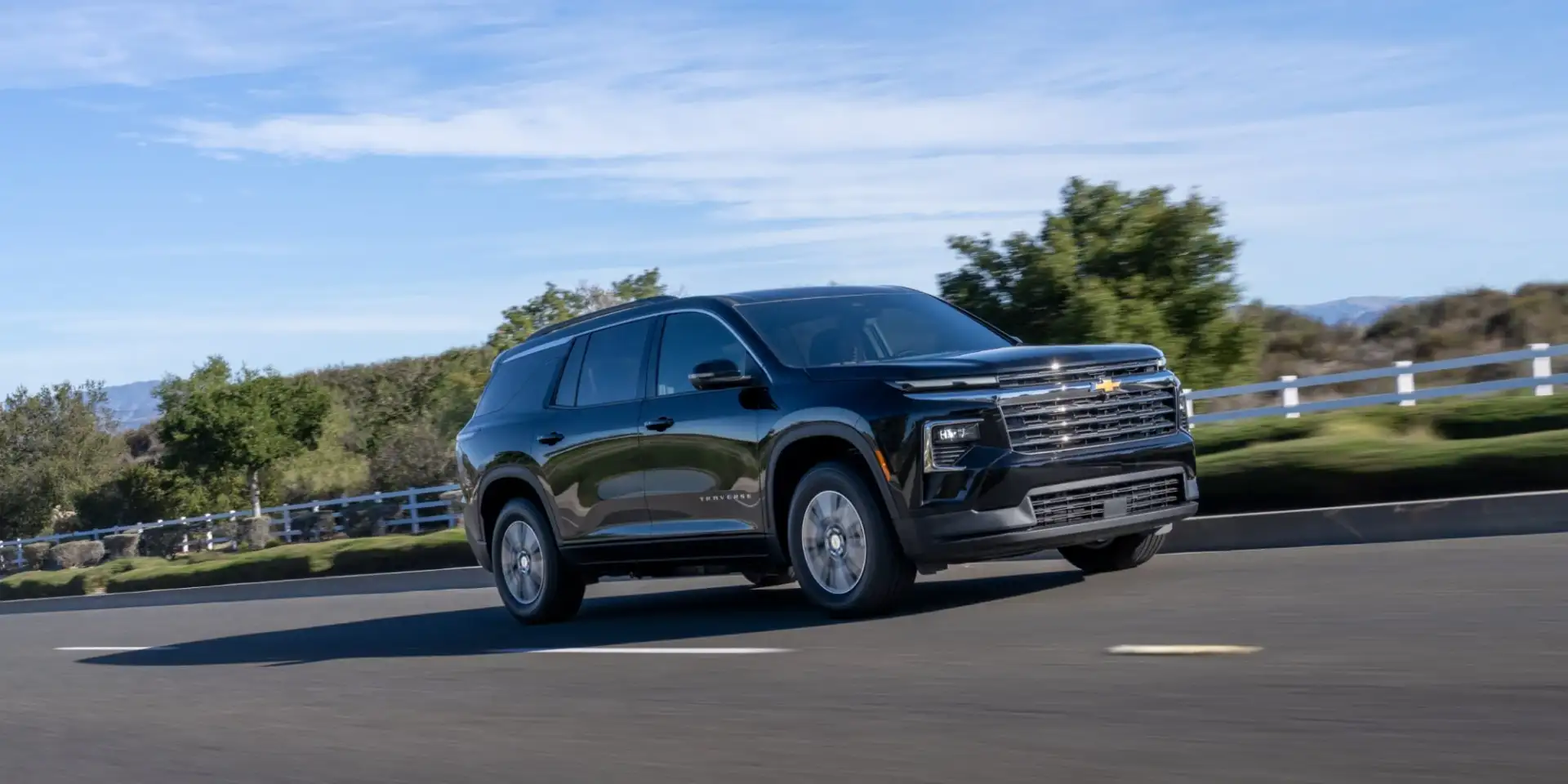
A three-row SUV has to handle more than the school run. It may carry a full soccer team in Gurnee, haul luggage for a Lake Michigan weekend, or tow a small camper out of Lake County. In the Chevy Traverse versus Kia Telluride matchup, both SUVs make strong family cases, but they go about the job differently. The Traverse puts a particular emphasis on maximum passenger and cargo space, while the Telluride leans into a more traditional, upscale SUV feel.
For many families, the better choice comes down to how often every seat will be occupied, how much gear comes along, and whether towing capability matters. Here is a practical look at the differences worth considering before a test drive.
Chevy Traverse versus Kia Telluride at a Glance
The Chevrolet Traverse is a larger-feeling three-row crossover designed for families that need room to stretch out. Current Traverse models use a turbocharged 2.5-liter engine producing 328 horsepower and 326 lb-ft of torque, paired with an eight-speed automatic transmission. Available all-wheel drive adds confidence when winter weather reaches Mundelein or Waukegan.
The current Kia Telluride uses a turbocharged 2.5-liter engine with 274 horsepower and 311 lb-ft of torque, also paired with an eight-speed automatic, and a turbo-hybrid version is offered as well. It delivers smooth, refined power and has earned plenty of attention for its handsome design and nicely appointed cabin.
Both offer three rows, available all-wheel drive, modern driver-assistance features, and towing capability. But the numbers begin to separate them when you look at interior volume and power.
Interior Space: The Traverse Has the Bigger Advantage
The biggest reason to put the Traverse on your list is simple: it provides significantly more cargo room. With the rear seats folded, the Traverse offers up to 98 cubic feet of maximum cargo volume. The Telluride offers up to about 89 cubic feet. That difference can be meaningful when loading a stroller, folding chairs, groceries, sports equipment, and luggage without playing a game of cargo-area Tetris.
The Traverse also provides adult-friendly space in all three rows. Depending on configuration, it seats up to eight passengers. Available second-row captain’s chairs reduce capacity to seven but create an easier walk-through path to the third row, which is especially helpful when younger passengers need to get in and out independently.
The Telluride is far from cramped, and its interior is one of its strengths. Its second row is comfortable, and its third row works well for children and occasional adult passengers. Still, shoppers who regularly use every row or carry bulky items may appreciate the Traverse’s more generous proportions.
Think about the way you actually load your SUV
A family of four that takes occasional road trips may find either model plenty accommodating. A family with three children, car seats, grandparents, or weekly team activities may benefit more from the Traverse. Before deciding, bring the items that shape your daily routine to a test drive: a car seat, stroller, hockey bag, or the cooler that always comes on weekend trips.
Performance and Towing: Comparing the Powertrains
The Traverse’s turbocharged engine gives it a horsepower advantage over the gas-powered Telluride, which can make the Chevrolet feel more responsive when merging onto I-94, passing slower traffic, or pulling a loaded vehicle away from a stop.
When properly equipped, the Traverse can tow up to 5,000 pounds. The gas-powered Telluride is also rated to tow up to 5,000 pounds when properly equipped. Exact towing ratings depend on model year, drivetrain, equipment, passengers, and cargo, so always confirm the specific vehicle’s rating before selecting a trailer.
The Telluride has a different character, and its available turbo-hybrid powertrain may appeal to drivers who put fuel efficiency first. The Traverse, meanwhile, is the better fit for shoppers who want stronger output and a more energetic response in a large family SUV.
Fuel-economy ratings for the gas-powered versions are close enough that they should not be the deciding factor for most buyers, though the Telluride Hybrid is rated higher. Ratings can vary by front-wheel drive or all-wheel drive, trim, wheels, and model year. A test drive is more useful for determining which powertrain feels right to you.
Technology and Everyday Comfort
The Chevrolet Traverse makes a strong first impression with its standard 17.7-inch diagonal infotainment display on current models. The wide screen is easy to see from the driver’s seat and gives the cabin a contemporary, connected feel. Wireless smartphone compatibility, available wireless charging, multiple USB ports, and available premium audio help keep a busy cabin organized and entertained.
The Telluride also offers an attractive, user-friendly technology layout, including available dual 12.3-inch displays on many versions. Its cabin design often feels more traditional and layered, with controls that may appeal to drivers who prefer a familiar dashboard arrangement.
Both models offer helpful available features such as a surround-view camera, heated and ventilated seating, a hands-free power liftgate, and advanced safety technology. Chevrolet’s available Super Cruise hands-free driver-assistance technology is a distinctive consideration for eligible roads, though it is not a substitute for an attentive driver. If advanced highway driving assistance is high on your wish list, ask about availability on the Traverse you are considering.
Safety Features for Family Confidence
Both the Traverse and Telluride offer a broad range of standard and available driver-assistance features. Depending on trim and model year, these can include automatic emergency braking, forward collision alert, lane-keeping assistance, blind-zone monitoring, rear cross-traffic alert, and adaptive cruise control.
Feature names and availability differ, so avoid comparing only a top-trim vehicle to a base model. Instead, make a short list of the safety features your household values most. For some drivers, a rear camera and blind-zone alerts are essential. For others, rear pedestrian braking, a 360-degree camera, or an advanced parking system may be the features that make everyday life easier.
Which Three-Row SUV Is Right for You?
Choose the Chevy Traverse if your priorities are maximum cargo space, more available passenger room, stronger standard power, and a large, modern infotainment display. It is particularly compelling for families that use the third row often, tow recreational gear, or need a vehicle that can flex between people-hauler and cargo-hauler duties.
Choose the Kia Telluride if you prefer the option of a hybrid powertrain and a more traditionally styled interior. It remains a capable, comfortable three-row SUV for families whose cargo needs are substantial but not extreme.
There is no substitute for sitting in both vehicles. Check access to the third row, fold the seats yourself, look at the cargo opening, and spend time in the driver’s seat. Details that seem small on a spec sheet can matter every day when the vehicle is full of people and plans.
If the Traverse sounds like the better match, visit Libertyville Chevrolet to compare available new and pre-owned options, discuss financing choices, and take a test drive with the whole family. Bring along the people and gear that matter most – the right three-row SUV should make your next errand, road trip, or weekend away feel easier from the start.
Frequently Asked Questions
Is the Chevy Traverse a good choice for Lake County winters?
With available all-wheel drive, the Traverse can add traction and confidence on snowy and slushy roads around Libertyville, Gurnee and Waukegan. Good winter tires, careful speeds and regular maintenance still matter most. The team at Libertyville Chevrolet can help you compare all-wheel drive and front-wheel drive Traverse models and talk through winter tire options before the cold weather arrives.
Do I need all-wheel drive on a three-row SUV in northern Illinois?
Not every driver does. Front-wheel drive with quality winter tires handles most plowed suburban roads well. All-wheel drive helps most when you face unplowed side streets, steep driveways, or frequent trips in heavy snow. Think about your commute and where you park, then test drive both setups at Libertyville Chevrolet to see which fits your routine and budget.
How do I know if a Traverse can tow my camper or boat?
Start with the trailer’s loaded weight, then compare it with the towing rating for the exact Traverse you are considering, since drivetrain and equipment can change the number. Remember that passengers and cargo count toward the vehicle’s limits. Bring your trailer details to Libertyville Chevrolet and the team can help you confirm the right equipment, such as a trailering package or hitch.
Should I compare a Traverse with a Tahoe if I need more space?
If you regularly fill every seat and carry heavy gear or tow larger trailers, a full-size Tahoe or Suburban may be worth a look. The Traverse often suits families who want generous room in a crossover that is easier to park and drive daily. Seeing both side by side at Libertyville Chevrolet is the easiest way to decide how much SUV you really need.
0 comment(s) so far on Chevy Traverse versus Kia Telluride Which Fits?