



Colorado versus Toyota Tacoma Truck Comparison
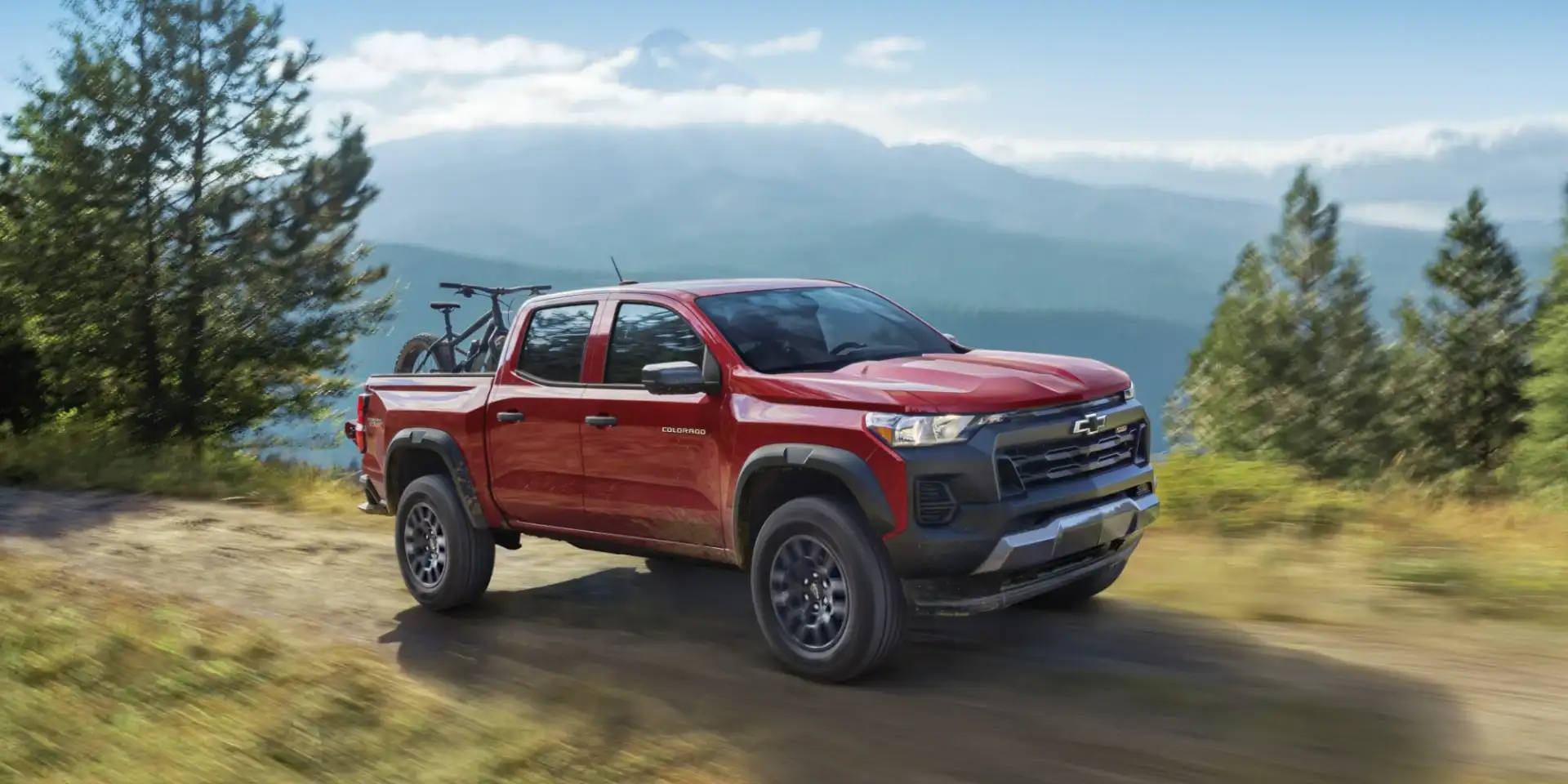
A midsize truck has to do more than look capable in a driveway. For Lake County drivers, the Colorado versus Toyota Tacoma decision often comes down to hauling weekend gear, handling a snowy commute, towing a boat or camper, and still fitting comfortably into everyday life. Both are serious trucks, but they take different approaches to power, capability, comfort, and long-term ownership.
The Chevrolet Colorado makes a strong case for shoppers who want confident towing and torque without stepping up to a full-size Silverado. The Toyota Tacoma brings a well-earned reputation for durability, a broad range of configurations, and an especially deep off-road lineup. The right choice depends on how you use your truck most days, not just the biggest number on a spec sheet.
Colorado versus Toyota Tacoma: Power and Towing
The Colorado’s standard TurboMax engine is a major part of its appeal. With 310 horsepower and 430 lb-ft of torque, it delivers the kind of low-end pull that matters when merging onto the highway with a trailer, carrying tools, or climbing through winter weather. Properly equipped Colorado models can tow up to 7,700 pounds, which puts the truck near the front of the midsize segment.
The Tacoma offers two powertrain directions. Its turbocharged 2.4-liter gas engine provides solid everyday performance, while available i-FORCE MAX hybrid models add stronger output and up to 465 lb-ft of torque. The hybrid Tacoma is compelling for drivers who want more punch along with improved efficiency potential. Maximum Tacoma towing reaches up to 6,500 pounds when properly equipped.
That difference matters for shoppers who regularly tow a medium-size boat, utility trailer, small camper, or recreational equipment. The Colorado has the advantage in maximum towing capacity and standard torque. Still, the Tacoma may be all the truck many households need, particularly when towing is occasional rather than part of the weekly routine.
Payload deserves equal attention. Payload changes by trim, drivetrain, cab, bed, and installed equipment on either truck. Before choosing, consider what actually goes in the bed: mulch, camping supplies, jobsite gear, bikes, or a snowblower. A truck that meets your real payload needs is more useful than one selected solely for a headline towing figure.
Everyday Comfort and Practicality
The current Colorado is offered as a crew cab with a practical five-foot-two-inch bed. That simple lineup can make shopping easier. Its cabin has a modern, truck-focused layout, and the large available infotainment display gives the interior a more contemporary feel than many shoppers expect from a midsize pickup. Rear-seat space is also useful for families, work crews, and friends heading out for the weekend.
The Tacoma gives buyers more body and bed choices. Depending on trim, it is available with an extended cab or four-door configuration and with different bed lengths. That flexibility is valuable if a six-foot bed is a must-have or if you rarely carry rear passengers and would rather prioritize cargo length.
For daily driving around Mundelein, Gurnee, Vernon Hills, or Waukegan, test the seating position carefully. The Tacoma’s redesigned cabin has improved, but some drivers may still prefer the Colorado’s more natural seating posture and straightforward control placement. Others will appreciate the Tacoma’s available hybrid powertrain and trim-specific cabin features. This is one area where a real test drive tells you more than a comparison chart.
Technology for Work and Weekends
Both trucks offer the features modern buyers expect, including smartphone integration, available advanced driver-assistance technology, and trail-oriented displays on certain models. Chevrolet’s available Google built-in compatibility and available camera views can be especially helpful when navigating a trailer, tight parking spaces, or an uneven trailhead.
Colorado models also offer available StowFlex tailgates, which add a lockable, drainable storage compartment. It is a small feature with real usefulness for wet recovery straps, muddy boots, groceries, or tools that should stay separate from the cab.
Toyota answers with its own practical touches, including available bed outlets, a selectable multi-terrain display, and trim-dependent technology for drivers who spend time beyond paved roads. Neither truck is short on useful equipment, so prioritize the features you will use after the first week of ownership.
Off-Road Ability: Choose the Right Trim
A basic four-wheel-drive truck can handle a snowy Illinois driveway, a gravel access road, or a wet campground without requiring an extreme off-road model. If that describes your plans, a Colorado Trail Boss or Z71 may provide the right balance of trail capability, daily comfort, and towing confidence. The Colorado ZR2 is the choice for buyers who genuinely want more advanced off-road hardware, including specialized suspension components and serious all-terrain capability.
The Tacoma has an even wider menu of off-road identities. TRD Off-Road models are aimed at capable weekend exploration, while the Trailhunter and TRD Pro are designed for buyers who want more purpose-built trail equipment. These versions are exciting, but they can also bring trade-offs in ride quality, tire noise, fuel use, and everyday practicality.
For most drivers in northern Illinois, all-wheel traction is not the same as truck-grade four-wheel-drive capability. If your truck will see plowed streets, occasional snow, and family camping trips, a well-equipped four-wheel-drive Colorado or Tacoma is likely sufficient. If you plan to travel to dedicated off-road parks or remote trails, then the more specialized trims deserve a closer look.
Fuel Economy and Ownership Considerations
The Tacoma’s available hybrid system gives Toyota an important advantage for shoppers focused on fuel use. Its efficiency will vary by trim, drivetrain, tire choice, load, weather, and driving habits, but it offers a powertrain option the Colorado does not currently match.
The Colorado counters with a single, strong turbocharged engine that simplifies the lineup while delivering substantial torque. For a driver who values towing capability and confident acceleration more than hybrid efficiency, that can be the better fit. It also eliminates the need to sort through several engine choices before finding the trim you want.
Long-term ownership should include more than fuel economy. Think about your preferred service experience, warranty coverage, available parts, insurance costs, tire replacement, and how long you expect to keep the truck. Toyota’s reputation for resale value is a real consideration. Chevrolet owners, meanwhile, may value a familiar dealer service relationship, accessible truck expertise, and the ability to keep their Colorado maintained alongside other Chevrolet vehicles in the household.
Which Midsize Truck Fits Your Life?
Choose the Colorado if maximum midsize towing, strong standard torque, a roomy crew-cab layout, and a straightforward model lineup are high on your list. It is particularly appealing for owners who use a truck as both a daily vehicle and a regular towing partner.
Choose the Tacoma if you want a hybrid powertrain option, need a specific cab or bed arrangement, or are drawn to Toyota’s extensive off-road trim selection. It can also be a smart fit for shoppers who place resale value and trail-focused equipment at the center of their decision.
A family in Grayslake hauling a fishing boat may lean Colorado for its towing headroom. A buyer who needs a longer bed for equipment or wants hybrid efficiency may find the Tacoma more suitable. There is no universal winner, only the truck that best matches your driveway, workday, and weekends.
The best next step is to sit in the truck, check the bed and rear-seat space, and take a test drive with your usual priorities in mind. Libertyville Chevrolet can help you compare Colorado trims, review current vehicle availability, discuss financing options, and plan for service needs well beyond the day you take your truck home.
Frequently Asked Questions
Is the Chevy Colorado a good truck for northern Illinois winters?
A four-wheel-drive Colorado is well suited to snowy Lake County roads, slushy driveways, and unplowed side streets, especially with good all-season or winter tires. Four-wheel drive helps you get moving, but it does not shorten stopping distances, so careful braking still matters. Libertyville Chevrolet can help you compare four-wheel-drive Colorado trims and tire options for winter driving.
Should I choose a Colorado or a Silverado for towing?
A Colorado is a strong fit for drivers who tow a small camper, utility trailer, or moderate boat and want a truck that is easier to park every day. If your loaded trailer sits near the Colorado’s limits or you tow often, a Silverado gives more headroom. Compare your trailer’s loaded weight and your payload needs with the Libertyville Chevrolet team.
Can I trade in a Toyota Tacoma toward a Chevy Colorado?
Yes. Libertyville Chevrolet appraises trade-ins from other brands, including Toyota trucks, and can value your current pickup as part of your Colorado purchase. Having service records, both keys, and payoff information ready helps the process move quickly. Your trade-in value can then be applied toward a new or used Colorado, along with the financing approach that fits your budget.
Which Colorado trim is best for camping and lake trips around Lake County?
For gravel campgrounds, boat launches, and occasional muddy trails, many drivers find a four-wheel-drive Trail Boss or Z71 balances capability and everyday comfort. The ZR2 adds more specialized off-road hardware for dedicated trail use. Towing ratings can differ between trims, so check the specific truck’s ratings against your trailer before you decide, and test drive your top choices.
0 comment(s) so far on Colorado versus Toyota Tacoma Truck Comparison