



Do EV Batteries Degrade? What Chevy Shoppers Should Know
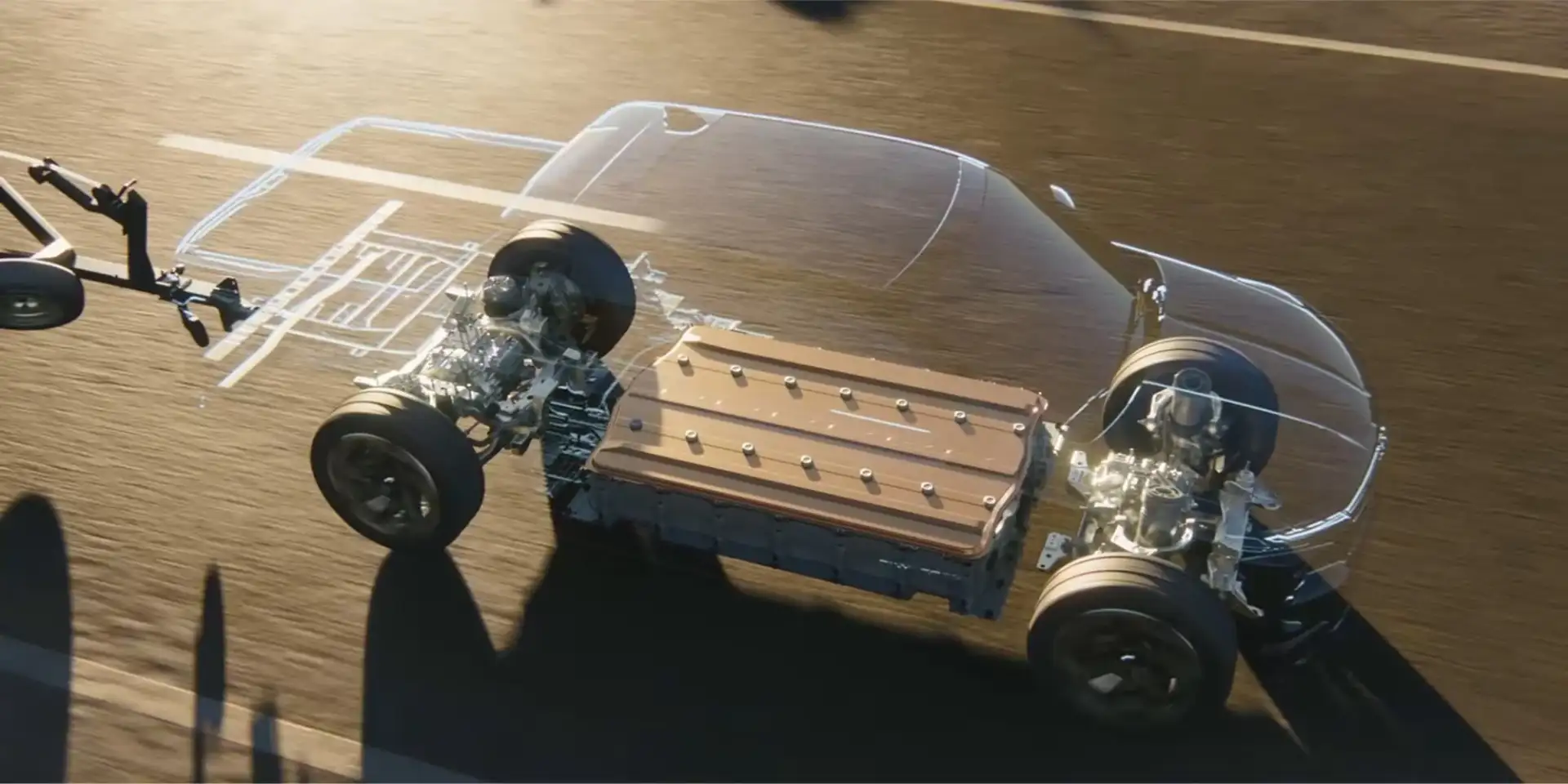
A cold Lake County morning can make any driver think about range. If you have asked, “do EV batteries degrade?” while comparing an Equinox EV, Blazer EV, or Silverado EV, the straightforward answer is yes. Every rechargeable battery gradually loses some capacity. The more useful answer is that modern EV batteries are designed to manage that aging, and most owners will see a gradual change rather than a sudden loss of usefulness.
For families and commuters around Gurnee, Mundelein, Vernon Hills, and Waukegan, battery health is one part of the ownership picture. Charging habits, weather, mileage, warranty coverage, and the vehicle’s battery-management system all affect what you can expect over the years.
Do EV Batteries Degrade Over Time?
EV battery degradation means the battery can store a little less energy than it could when new. Since available energy helps determine driving range, reduced capacity can eventually mean fewer miles between charges. This is normal chemistry, not a sign that an EV is failing.
Most degradation happens gradually, and it is often more noticeable in the first few years before the rate slows. A vehicle that started with a generous range estimate can still be a very practical daily driver after years of use. The exact result depends on the model, climate, charging routine, and how many miles the vehicle covers.
It also helps to separate temporary range changes from permanent degradation. Cold weather can reduce available range because battery chemistry works less efficiently at low temperatures and the vehicle uses energy to warm the cabin and battery. Once temperatures rise, much of that lost range returns. Permanent degradation does not return with warmer weather, but it generally develops far more slowly.
What Causes an EV Battery to Age?
Heat is one of the biggest contributors. Batteries do not enjoy spending long periods extremely hot, whether that comes from outdoor temperatures, repeated high-power charging, or intensive driving. Modern Chevrolet EVs use sophisticated thermal management to help keep the battery within a preferred operating temperature range, which is an important protection in both Illinois winters and summer heat.
Time matters, too. A battery ages even if a vehicle is not driven much. High mileage adds more charge-and-discharge cycles, but it does not automatically mean a high-mileage EV has a poor battery. A regularly driven EV that has been charged thoughtfully and maintained properly may be a better used-vehicle choice than one that sat unused for extended periods.
Charging habits can influence long-term battery condition, although they deserve some perspective. DC fast charging is a useful tool for road trips and busy schedules. Relying on it constantly may place more stress on a battery than primarily charging at home or work with Level 2 equipment, but occasional fast charging is part of normal EV ownership. The vehicle’s charging system actively manages the process to protect the pack.
Leaving any lithium-ion battery at very high or very low charge for long stretches can also add stress. Many EV owners set a daily charging target below 100 percent when they do not need maximum range, then charge fully before a longer trip. Follow the guidance in the owner’s manual for the specific vehicle, rather than treating one rule as right for every EV.
How Much Range Loss Is Normal?
There is no single percentage that applies to every electric vehicle. A driver who travels modest distances, parks in a garage, and mostly uses Level 2 charging may see a different result than someone who drives long highway routes daily and frequently fast charges.
What matters most is whether the vehicle still fits your needs. If your commute from Grayslake to Lake Forest is well within the vehicle’s available range, a modest reduction in capacity may have little day-to-day impact. For a shopper planning frequent interstate trips, remaining range and access to convenient charging deserve closer attention.
Be cautious with comparisons based on dashboard range alone. The estimate changes with driving speed, outside temperature, HVAC use, terrain, tire condition, and recent driving behavior. A lower number on a cold day does not necessarily indicate battery degradation. Looking at the vehicle’s overall history and having it inspected provides a much clearer picture.
Chevy EV Battery Warranty Coverage
Battery warranty coverage gives EV shoppers meaningful peace of mind. Every new Chevy EV is backed by an 8-year/100,000-mile battery limited warranty, though the terms and coverage details for a particular Chevrolet model should always be confirmed before purchase.
A battery warranty is not usually a promise that range will remain exactly the same as new. Instead, it is designed to address defects and significant capacity loss under the warranty terms. Ask the dealership to explain the coverage for the exact model year you are considering, especially when comparing a new EV with a pre-owned one.
This is where a franchised Chevrolet service department can be valuable. Technicians have the diagnostic equipment, training, and model-specific information needed to evaluate warning messages, charging concerns, and battery-related questions. For owners, keeping up with recommended service and software updates helps the vehicle operate as intended.
Buying a Used EV? Check More Than the Odometer
A used EV can be an excellent value, but battery condition should be part of the conversation from the beginning. Mileage is relevant, yet it is not the whole story. Ask for the vehicle history, remaining battery warranty, maintenance records, and any available battery health information.
A proper inspection should also look beyond the high-voltage battery. Tires, brakes, suspension, 12-volt battery condition, charging equipment, accident history, and software updates can all influence the ownership experience. Regenerative braking often reduces wear on brake pads, but an EV still benefits from routine care.
During a test drive, pay attention to how the vehicle charges and drives rather than expecting a single range figure to answer every question. Does the displayed range make sense for the charge level and weather? Are there warning lights? Does the vehicle transition smoothly through acceleration and regenerative braking? These practical observations, combined with a professional inspection, are more useful than assumptions based on age alone.
For shoppers comparing a new Chevrolet EV with a CarBravo certified used vehicle, the choice often comes down to range needs, warranty confidence, features, and budget priorities. A newer model may offer newer charging capability or additional range, while the right pre-owned EV may meet a household’s needs with plenty of useful life remaining.
Simple Habits That Support Battery Health
You do not need to treat an EV battery delicately to get good service from it. Use the charging schedule and charge-limit settings recommended for your vehicle. Charge to the level you need for normal driving, use DC fast charging when it makes sense, and avoid leaving the vehicle parked for a long time at an extreme state of charge.
In winter, preconditioning while the vehicle is plugged in can help. It warms the cabin and prepares the battery using grid power rather than drawing as much energy from the battery after you leave. Keeping tires properly inflated also supports range, just as it supports fuel economy in a gas-powered vehicle.
The best ownership plan is a realistic one. An EV does not have to be charged to 100 percent every night, and it does not need to avoid fast charging forever. Match the routine to your driving, use the vehicle’s built-in tools, and ask questions when something does not look right.
If you are considering an Equinox EV, Blazer EV, or Silverado EV, take time to compare its real-world range, charging options, and battery coverage with your household’s driving habits. The team at Libertyville Chevrolet can help you review available vehicles, discuss financing options, or schedule service for the Chevrolet you already own.
Frequently Asked Questions
How can I check the battery health of a used Chevrolet EV?
Start with the vehicle history, service records and remaining battery warranty. A Chevrolet dealership service department can run diagnostics that look at the high-voltage battery and charging system, which tells you more than a dashboard range estimate. At Libertyville Chevrolet, ask our team to review any used EV you are considering so you understand its condition before you buy.
Does parking outside in a Lake County winter hurt an EV battery?
Cold weather mainly reduces range temporarily rather than causing lasting damage. Chevrolet EVs use thermal management to help protect the battery in low temperatures. Parking in a garage and keeping the vehicle plugged in when possible makes it easier to precondition the cabin and battery before you leave. Range usually returns as temperatures warm up in spring.
Can an EV battery be repaired instead of replaced?
In many cases, yes. EV battery packs are made of modules and components, and a trained technician may be able to diagnose and address a specific fault rather than replacing the entire pack. What makes sense depends on the problem, the vehicle and its warranty coverage. A certified Chevrolet service department has the training and equipment to evaluate high-voltage battery concerns.
What should I do if my Chevy EV range suddenly drops?
First, consider temporary causes such as cold weather, high highway speeds, heavy cabin heating, a loaded vehicle or low tire pressure. If range stays low in mild weather or a warning message appears, have the vehicle inspected. Libertyville Chevrolet’s service team can check the battery, charging system and software updates and explain whether anything is covered under warranty.
0 comment(s) so far on Do EV Batteries Degrade? What Chevy Shoppers Should Know