



EV Ownership Guide for Northern Illinois Drivers
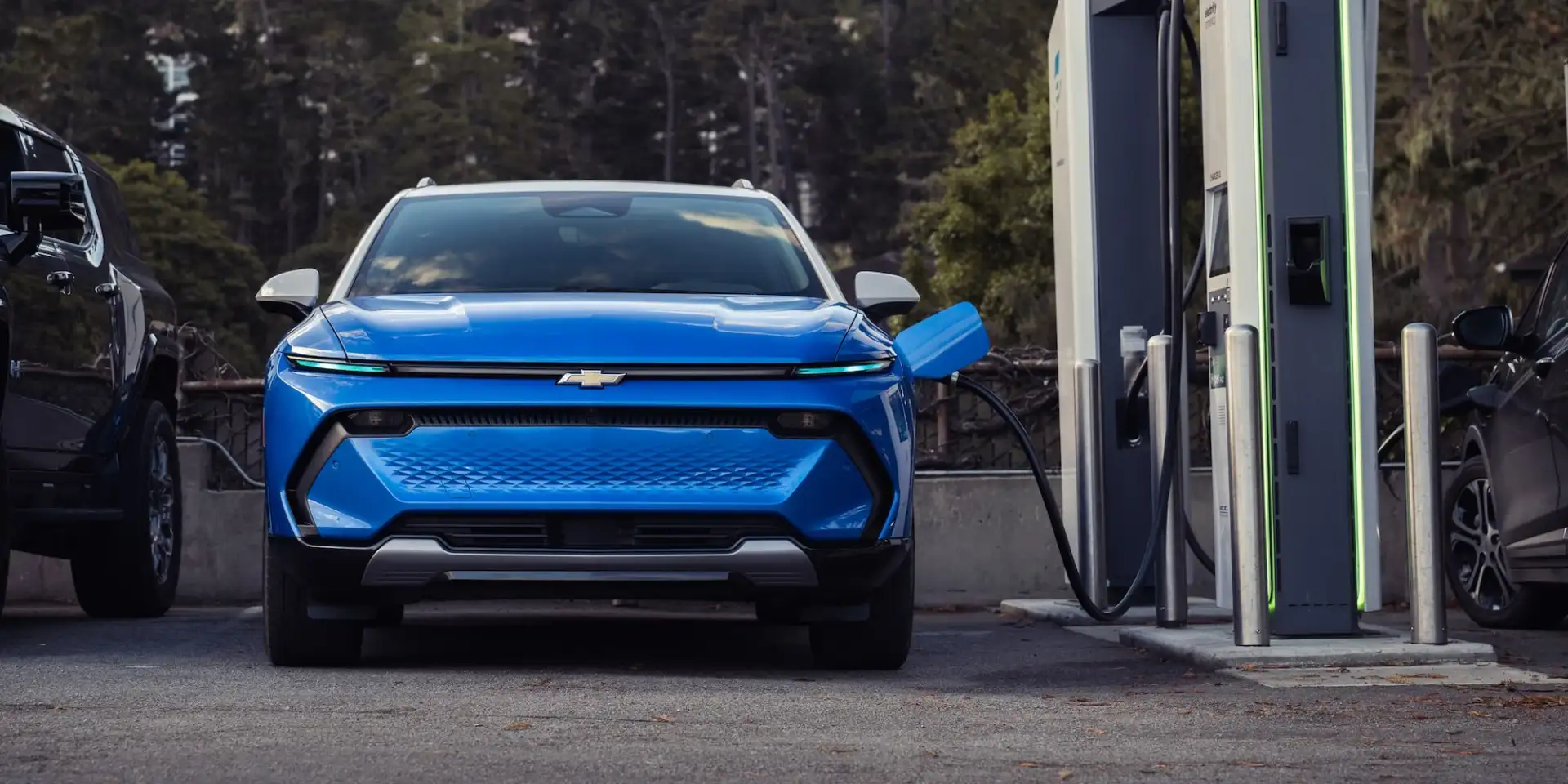
A weekday trip from Gurnee to Vernon Hills, school pickup, a grocery stop, and the drive home rarely ask much from an electric vehicle. The question most EV-curious shoppers have is not whether an EV can handle daily life. It is whether charging, cold weather, and longer weekend drives will fit comfortably into their routine. This EV ownership guide answers those practical questions for Northern Illinois drivers considering a Chevrolet EV.
Start Your EV Ownership Guide With Your Routine
The right EV begins with the miles you actually drive, not a single maximum-range number. Think about your normal weekday, your most frequent out-of-town trip, where the vehicle sleeps at night, and whether you can charge at home or work. A household with a short commute and driveway parking has different needs than a family in a condo or a driver who regularly travels through Lake, Cook, and McHenry Counties.
For many drivers, an EV’s range covers several days of local driving before a recharge is needed. Chevrolet’s EV lineup offers different approaches: the Equinox EV is a practical fit for commuters and small families, the Blazer EV brings more space and a sportier SUV feel, and the Silverado EV is built for shoppers who want electric capability in a full-size truck. Available EPA-estimated range varies by battery, drivetrain, trim, weather, wheels, cargo, and driving habits. It is best to compare the specific vehicle you are considering rather than assume every version has the same capability.
A test drive should include the questions a spec sheet cannot answer. Is the cargo area right for strollers, sports gear, or work equipment? Is the rear seat comfortable for your family? Does the vehicle feel easy to place in a parking lot? Those answers matter as much as range.
Charging at Home: The Everyday Advantage
Home charging is what makes EV ownership feel simple for many people. Instead of making a special trip to refuel, you return home, plug in, and begin the next morning with the energy you need. You do not need to charge to 100 percent every night. In fact, charging can be scheduled around your daily driving needs and your local electricity plan.
Level 1 charging
Level 1 charging uses a standard household outlet and adds range slowly. It can work well for drivers with modest daily mileage, especially if the vehicle remains parked overnight and much of the weekend. The trade-off is flexibility: after a day with more miles than usual, Level 1 may not replenish the battery as quickly as you would like.
Level 2 charging
A Level 2 home charger is the preferred choice for many EV owners. It requires professionally installed 240-volt equipment, similar to the type used for major home appliances, but it can add substantially more range per hour than a standard outlet. This gives busy families a dependable overnight charging routine.
Before installation, ask a qualified electrician to review your home’s electrical panel, garage layout, and cable routing. If you rent, live in a townhouse, or use shared parking, discuss charging access with your landlord or association before choosing a vehicle. Public charging can support EV ownership, but convenient home or workplace charging usually makes it easier.
Public Charging and Road Trips
Public charging is most useful for longer drives, apartment living, and topping up while you are already out. There are two broad categories: Level 2 chargers, which are well suited to longer stops, and DC fast chargers, which can add meaningful range during a road-trip break. Actual charging time depends on the vehicle, battery temperature, starting state of charge, charger output, and how full the battery already is.
A useful road-trip habit is to plan charging stops before leaving, then stay flexible. Navigation tools can help identify compatible stations and estimate arrival battery level. On a long drive, it is often more efficient to charge from a lower battery level to a moderate level, then continue, rather than wait to fill the battery completely at every stop. Build in time for restrooms, meals, and a stretch break, and the stop is less likely to feel like lost time.
For Silverado EV shoppers, towing deserves special planning. A trailer, heavy payload, headwinds, elevation changes, and cold temperatures can reduce range significantly. That does not rule out electric towing, but it does mean route planning and charger access should be part of the ownership conversation.
What Winter Changes for EV Drivers
Northern Illinois winters affect every vehicle. Gasoline vehicles use more fuel in cold weather, and EVs use more battery energy to warm the cabin and maintain battery performance. Snow, slush, lower tire pressure, and reduced traction can also affect efficiency.
The practical answer is preparation, not worry. Keep the EV plugged in when possible so it can precondition before departure. Preconditioning warms the cabin and prepares the battery while connected to power, preserving more driving energy for the road. Use scheduled departure settings when available, clear snow and ice fully, and check tire pressure regularly as temperatures fall.
Expect lower range on very cold days, particularly on short trips where cabin heat is working hard. The amount varies widely based on temperature, speed, driving style, and the vehicle itself. If your typical winter driving is well below the vehicle’s expected cold-weather range, the adjustment may be minor. If you routinely drive long highway distances, leave more margin and plan charging stops accordingly.
EV Maintenance Is Different, Not Absent
Electric vehicles have fewer routine mechanical maintenance items than gasoline vehicles. There are no oil changes, spark plugs, or conventional engine air filters. Regenerative braking can also reduce wear on brake pads by using the electric motor to help slow the vehicle.
That said, EVs still need professional care. Tires, alignment, brake components, windshield wipers, cabin air filters, coolant systems, suspension parts, and battery-related systems should be inspected on the recommended schedule. Tire care deserves special attention because EVs are often heavier and deliver immediate torque. Proper inflation and regular rotations help protect range, handling, and tire life.
Use the owner’s manual and your vehicle’s service reminders as the primary schedule. A trained Chevrolet service team can also check for software updates, inspect charging equipment, and answer questions that come up after your first season of ownership.
Choosing Between the Equinox EV, Blazer EV, and Silverado EV
The best Chevrolet EV is the one that matches your job, family, and parking situation. The Equinox EV is worth a close look if you want an approachable compact SUV for commuting, errands, and everyday family use. Its size can make it easy to live with while still providing useful passenger and cargo space.
The Blazer EV may suit shoppers who want a roomier, more expressive SUV with available performance and all-wheel-drive considerations. If you often carry older kids, friends, or larger loads, compare its seating and cargo layout in person.
The Silverado EV is a different kind of decision. It is aimed at drivers who need truck utility, a pickup bed, and available towing capability while wanting the benefits of electric driving. Consider garage fit, charging needs, towing habits, and how often you truly use truck capability. Bigger is not automatically better if most of your miles are solo commuting, but a truck can be the right choice for work, recreation, or a busy household.
A Few Questions to Ask Before You Buy
Before selecting an EV, confirm where you will charge most often, how many miles you drive on a typical day, and how frequently you take longer trips. Ask about the exact range rating and charging capabilities of the vehicle and configuration you are considering. If you have a trade-in, want to compare new and pre-owned options, or need to fit a charging installation into your budget, discuss those details early with the dealership finance team.
An EV should make your routine easier, not force you to redesign it. Visit Libertyville Chevrolet to compare the Equinox EV, Blazer EV, and Silverado EV in person, talk through charging and winter-driving questions, and find the Chevrolet that feels right for your family’s next mile.
Frequently Asked Questions
How do I find public EV chargers near Libertyville and Lake County?
The U.S. Department of Energy’s Alternative Fuels Data Center station locator maps public Level 2 and DC fast chargers and lets you filter by connector type. Chevrolet EV owners can also use the vehicle’s navigation and the Chevrolet mobile app to find compatible stations along a route. Checking chargers near your work, shopping, and favorite weekend destinations is a smart first step.
Do I need a permit to install a Level 2 charger at my Lake County home?
Many villages and cities require an electrical permit for a new 240-volt circuit, and rules vary by community. A licensed electrician can confirm what your municipality requires, check your panel capacity, and handle the installation. Homeowners associations and landlords may have their own approval steps, so ask early. The Libertyville Chevrolet team can talk through charging equipment when you shop.
How long does a Chevrolet EV battery last?
Chevrolet EV batteries are designed to last for many years of normal driving, and the high-voltage battery is covered by its own warranty that is separate from the basic vehicle coverage. Gradual capacity loss over time is normal for any lithium-ion battery. Following the owner’s manual, avoiding unnecessary full charges, and keeping software current all support long-term battery health.
Can I test drive a Chevrolet EV at Libertyville Chevrolet before buying?
Yes. Libertyville Chevrolet offers test drives of Chevrolet EVs such as the Equinox EV, Blazer EV, and Silverado EV, based on availability. Drive the routes you use every day, check cargo and rear-seat space with your own gear, and ask the team about home charging, winter range, and finance or lease options while you are there.
0 comment(s) so far on EV Ownership Guide for Northern Illinois Drivers