



First Time Car Buyer Guide for Smart Choices
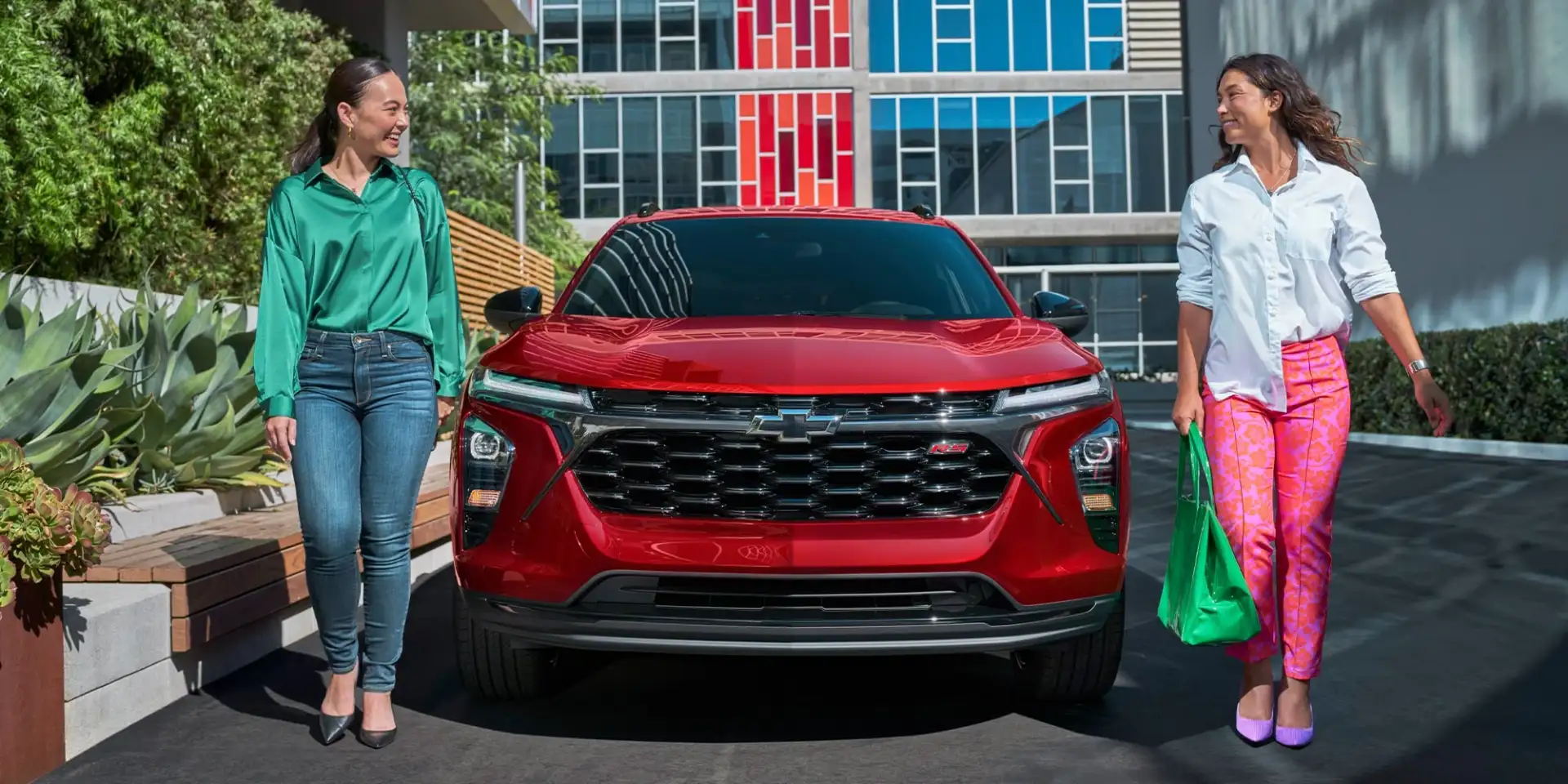
A first vehicle is rarely just transportation. It may be the car that gets you to work in Waukegan, carries friends to dinner in Vernon Hills, handles a family visit in Grayslake, or makes a Lake County winter commute feel less stressful. This first time car buyer guide is built around the decisions that matter before you sign paperwork: choosing the right vehicle, understanding the full cost, and feeling comfortable with your financing.
Buying a car for the first time can feel like learning a new language. Terms such as APR, trade-in value, certified used, down payment, and monthly payment all matter, but they should not distract from the biggest question: Will this vehicle work for your everyday life?
Start This First Time Car Buyer Guide With Your Real Needs
Before comparing trim levels or exterior colors, think about how you will use your vehicle most days. A vehicle that looks great online is not automatically the best match for your parking space, passenger needs, commute, or weekend plans.
Start with your usual driving routine. Consider how many miles you drive each week, whether you regularly carry passengers or cargo, how often you take highway trips, and whether all-wheel drive or extra ground clearance would make life easier during Illinois weather. Also consider what may change in the next few years. A compact SUV that works for one person today may need to accommodate a growing family, a large dog, or more gear tomorrow.
For many first-time buyers, an SUV provides a useful balance of visibility, flexible cargo room, and everyday comfort. The Chevrolet Equinox is a natural fit for drivers who want a manageable compact SUV, while the Blazer brings a bolder design and more room. Families who need a third row may prefer the Chevrolet Traverse. If your lifestyle includes towing, job-site equipment, or frequent home-improvement projects, a Colorado or Silverado pickup may make more sense.
The best vehicle is not necessarily the largest one or the one with every available feature. It is the one that solves your regular transportation needs without making ownership harder than it needs to be.
Build a Budget Around Ownership, Not Just the Payment
A low monthly payment can be appealing, but it is only one part of the ownership picture. First-time buyers should plan for insurance, fuel or charging, registration, routine maintenance, tires, and unexpected repairs over time. A slightly higher monthly payment on a newer or certified vehicle may be easier to manage if it comes with more predictable ownership and useful coverage. On the other hand, a lower-cost used vehicle can be a smart choice when it has been carefully inspected and fits your budget comfortably.
Before visiting a dealership, decide what monthly payment feels manageable after your housing, food, savings, and other regular expenses. Then leave room in your budget for the costs that do not show up in the finance office.
It also helps to separate what you need from what you simply want. Heated seats may be a very practical feature during an Illinois winter. A panoramic roof may be a nice extra. Neither answer is wrong, but knowing your priorities makes it easier to compare vehicles honestly.
New vs. Certified Used: Which Fits a First-Time Buyer?
New and certified used vehicles both offer real advantages. The better choice depends on your priorities, financing options, preferred features, and comfort level with vehicle history.
A new Chevrolet gives you the latest design, current safety and technology features, and a full new-vehicle warranty. It can be especially appealing if you want a specific configuration, such as an Equinox EV with the features you want or a Silverado set up for work and towing.
A CarBravo certified used vehicle can be a strong option for value-focused shoppers. Certified used vehicles go through a detailed inspection process and offer added peace of mind compared with buying from a private seller. You may also be able to find more features or a larger vehicle than you expected within your intended budget.
Neither route is automatically better. If having the latest technology and knowing the vehicle’s history from day one matters most, new may be right for you. If you are focused on getting dependable transportation with strong value, certified used deserves a close look. Ask to compare both options side by side rather than assuming one category wins.
Understand Financing Before You Choose a Vehicle
Financing does not have to be intimidating. At its core, an auto loan is based on the vehicle amount financed, your down payment, loan term, interest rate, and credit profile. Your credit history can affect the financing options available, but having limited credit history does not mean you should avoid asking questions or exploring your choices.
A down payment can reduce the amount you finance and may help create a more comfortable payment. The loan term matters, too. A longer term can lower the monthly payment, but you may pay more interest over the life of the loan and take longer to build equity in the vehicle. A shorter term generally means a higher payment but less time in debt.
Ask for each part of the deal to be explained clearly. You should understand the vehicle price, taxes and fees, down payment, trade-in value if applicable, loan term, interest rate, and monthly payment. If something is unclear, pause and ask. A welcoming dealership should want you to feel informed, not rushed.
Getting pre-approved or completing a financing application before your visit can also help you understand your options and save time when you arrive. It does not replace reviewing the final numbers, but it can give you a more confident starting point.
Test-Drive for Your Actual Life
A test drive should be more than a lap around the block. Settle into the driver’s seat and adjust it as you would on a normal morning. Check rear-seat space if you expect to carry passengers. Open the cargo area and picture groceries, sports equipment, strollers, work supplies, or luggage.
As you drive, pay attention to visibility, braking feel, steering response, road noise, and how easily you can reach the controls. Pair your phone if connectivity is a priority. Try the backup camera. If you are considering a truck, discuss bed length, towing needs, and parking comfort. If you are shopping for an EV, ask about home charging, public charging on your common routes, estimated driving range, and how cold weather can affect planning.
For EV-curious buyers, the Equinox EV and Blazer EV can make electric driving feel approachable, but the right fit depends on your charging access and travel habits. An EV may be especially convenient if you can charge where you live. If home charging is not practical, take time to understand the charging options near your home, workplace, and frequent destinations before deciding.
Bring Questions, Not Pressure
First-time buyers sometimes worry that asking basic questions will make them seem unprepared. The opposite is true. Good questions protect your budget and help you choose a vehicle with confidence.
Ask about the vehicle’s features, warranty coverage, maintenance schedule, fuel or charging needs, and available protection options. For used vehicles, ask about the vehicle history, inspection process, and condition. If you are comparing trims, ask which differences will matter in daily ownership rather than focusing only on appearance.
You do not have to make a decision on the spot simply because you took a test drive. Take notes, compare your top choices, and talk through the decision with someone you trust if that helps. The goal is not to leave with just any car. It is to leave with a vehicle and financing plan you can feel good about.
When you are ready, browse new and used Chevrolet options, explore financing choices, and schedule a test drive with Libertyville Chevrolet. The right first vehicle should make the next part of life easier, whether that means a dependable commute, room for family, or confidence every time you turn the key.
Frequently Asked Questions
Can I buy a car with no credit history?
Often, yes. Lenders look at income, employment, down payment and any existing credit, and options exist for first-time buyers with limited history. A larger down payment or a co-signer can also help. The finance team at Libertyville Chevrolet works with first-time buyers in Lake County and can explain which options may fit your situation before you commit to a vehicle.
What documents should I bring when buying my first car?
Plan to bring a valid driver’s license, proof of insurance or your insurance agent’s contact information, and proof of income such as recent pay stubs if you are financing. If you are trading in a vehicle, bring its title or loan payoff details. Calling Libertyville Chevrolet ahead of your visit can confirm anything else your lender may require.
Do I need car insurance before I pick up my new car?
Yes. In Illinois you need active liability insurance before driving the vehicle off the lot, and lenders usually require comprehensive and collision coverage when a car is financed. Get insurance quotes for the specific models you are considering before you buy, since rates can vary by vehicle. Your agent can often add the new car the day you purchase it.
Is a used car or a certified Chevrolet better for a first-time buyer?
Both can work. A certified used Chevrolet goes through a detailed inspection and includes added coverage benefits, which can reduce uncertainty for a first-time owner. A regular used car may cost less up front but deserves a careful inspection and a review of its history. Libertyville Chevrolet can show you new, certified and used options side by side.
0 comment(s) so far on First Time Car Buyer Guide for Smart Choices