



Home EV Charger Installation: What to Plan
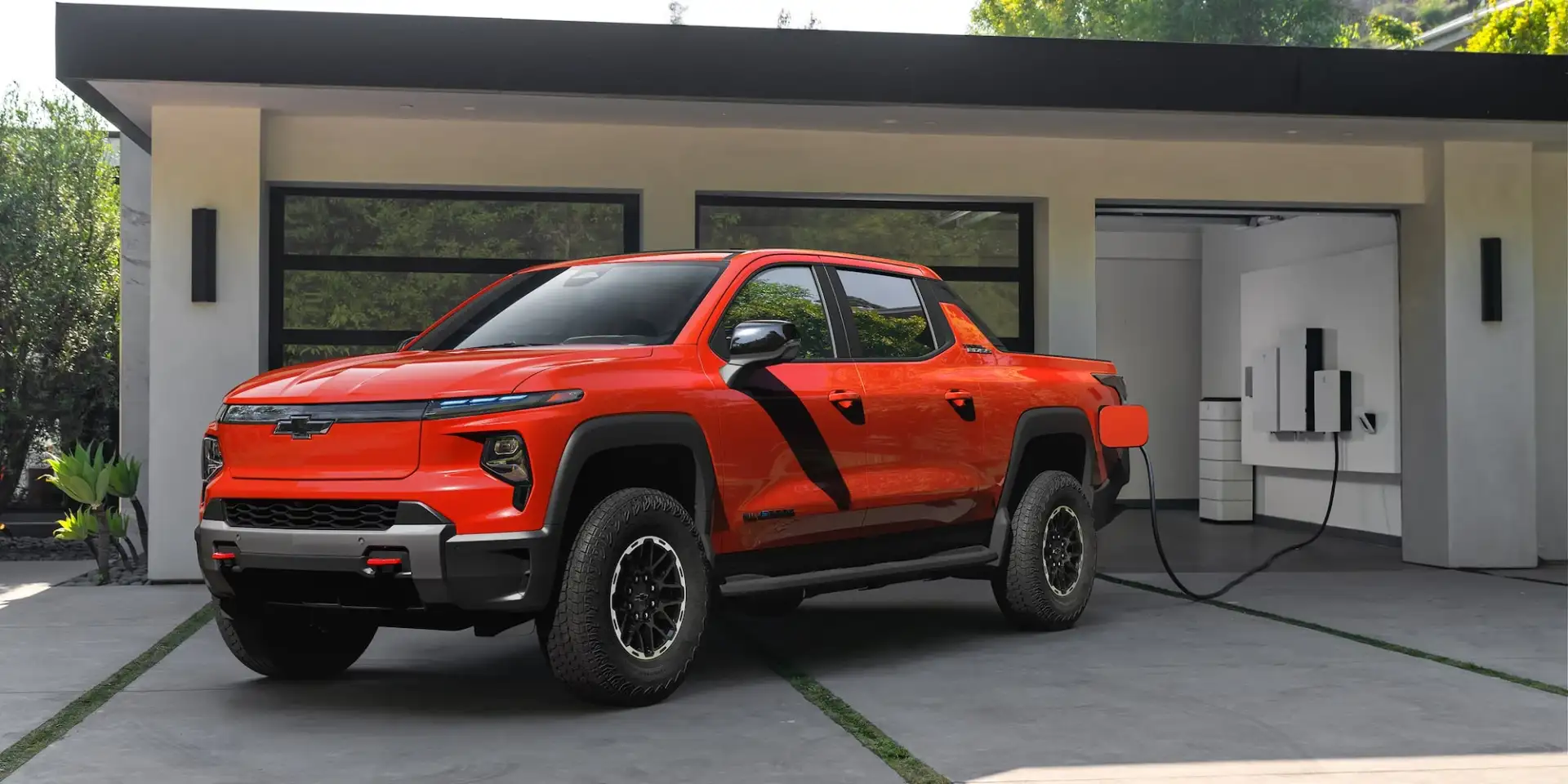
A public charger can get you through a busy week. Charging at home is what makes electric vehicle ownership feel easy. With a home EV charger installation, your Equinox EV, Blazer EV, or Silverado EV can charge while it is parked overnight, so you can start the morning with the range you need for work, school, errands, or a weekend drive around Lake County.
The right setup is not one-size-fits-all. Your vehicle, daily driving habits, garage layout, electrical panel, and local permit requirements all affect the project. A little planning before you buy equipment or schedule an electrician can prevent surprises later.
Start With the Charging Level You Need
Most EVs include equipment that can plug into a standard 120-volt household outlet. This is commonly called Level 1 charging. It can be a sensible option for a plug-in hybrid or for drivers with short daily commutes and plenty of time between trips.
For many fully electric vehicle owners, Level 2 charging is the practical choice. It uses a 240-volt circuit, similar to the type used for major household appliances, and adds range much faster than a standard outlet. The exact rate depends on the vehicle and charger, but Level 2 charging is often well suited to overnight charging.
That difference matters when comparing electric vehicles with larger battery packs. An Equinox EV or Blazer EV owner who drives regularly between Gurnee, Mundelein, Vernon Hills, and Waukegan may appreciate the flexibility of returning home, plugging in, and being ready again by morning. Silverado EV owners may have different needs depending on towing, hauling, and how far they travel during a typical week.
Before choosing a charger, think about your real schedule rather than aiming for the highest available charging speed. If your vehicle sits in the garage for 10 to 12 hours most nights, a moderate Level 2 charger may be more than enough. Faster equipment can be useful, but it may require more electrical capacity and a more involved installation.
Home EV Charger Installation Begins at the Electrical Panel
The biggest question in a home EV charger installation is usually whether your electrical service and panel can support the new circuit. An EV charger is considered a continuous electrical load, so a qualified electrician must size the circuit, wiring, breaker, and charging equipment correctly.
An older home does not automatically need a full panel upgrade. Some homes have adequate available capacity, while others may need load management equipment, a subpanel, or an electrical service upgrade. It depends on the panel rating and the other large electrical demands in the home, including air conditioning, electric heat, laundry appliances, cooking equipment, and a workshop.
This is not a place to guess. Ask a licensed electrician to perform a load calculation and inspect the panel before finalizing your charger selection. It is also wise to show them where you plan to park the vehicle. The distance between the electrical panel and charging location can affect wiring needs and installation complexity.
Attached Garage, Detached Garage, or Driveway?
An attached garage is often the simplest location because the charger can be placed close to the parking spot and may be nearer to the electrical panel. Still, convenience matters. The cable should reach the vehicle’s charge port without stretching across a walkway, pinching under a garage door, or creating a trip hazard.
Detached garages and outdoor driveway installations can work well, but they need additional consideration. Underground wiring, weather-rated equipment, trenching, and the distance from the home can change the scope of the job. For Northeast Illinois winters, choose equipment rated for outdoor use if it will be exposed to snow, moisture, and temperature changes.
Think ahead if your household may add another EV. Installing conduit or planning panel space now can make a future second charger less disruptive. Some households also choose smart chargers that can share available power between two vehicles rather than charging both at full output at the same time.
Choose Charger Features That Fit Your Household
A home charger does not have to be complicated to be useful. Reliable hardware, professional installation, and a convenient location are the essentials. Beyond that, features should match how you plan to use the charger.
A hardwired charger is permanently connected to the electrical system. It can be a strong choice for higher-power charging and may reduce concerns about outlet wear over time. A plug-in charger uses a dedicated 240-volt receptacle, which can offer more flexibility if you want to replace or relocate the unit later. Your electrician can explain which approach makes sense for the selected equipment and circuit.
Wi-Fi connectivity is optional, not mandatory. Smart chargers may let you schedule charging, review energy use, receive notifications, or participate in utility programs where available. Those features can be helpful for households that want to charge during certain hours, but a basic charger can still do an excellent job of replenishing your battery overnight.
Also confirm connector compatibility. Chevrolet charge ports are changing: the current Equinox EV and Blazer EV have a standard NACS port, while the Silverado EV uses a GM-approved adapter to reach Tesla Superchargers. Make sure your home charger’s connector, or an approved adapter, matches your vehicle. A dealership product specialist can help you understand the charging equipment that fits the vehicle you are considering, including available accessories and current compatibility information.
Permits, Codes, and Installer Questions
A properly permitted installation helps protect your home and supports safe operation. Requirements vary by municipality, so a project in Lake Forest may not follow the exact same local process as one in Grayslake or Buffalo Grove. A licensed local electrician should know the applicable electrical code, permit process, and inspection requirements.
Before hiring an installer, have a conversation about the full scope of the work. Ask whether they will handle permitting, whether your panel has sufficient capacity, how the charger will be mounted, and whether the estimate includes all wiring, breakers, trenching, patching, and inspection steps. You should also ask about the equipment warranty and the electrician’s workmanship warranty.
It helps to discuss charging habits, too. If you expect to charge after work every day, your electrician can recommend a setup that fits your routine. If you only drive a few days each week, you may not need the same charging output. Clear answers up front make it easier to choose a solution based on your life, not just the charger specification sheet.
Plan for the Cost Beyond the Charger
The charger itself is only one part of the project. Installation cost can vary based on the electrical panel’s capacity, the length and routing of wiring, wall construction, whether a detached garage is involved, local permit fees, and any necessary electrical upgrades.
That is why an on-site assessment is more useful than a broad estimate found online. Two homes on the same street can need very different work. Ask for a written scope that explains what is included and what circumstances could add to the project. If utility, manufacturer, or government incentives are available, confirm eligibility and application steps directly with the program administrator, since requirements can change.
Home charging also affects your household electricity use. Your utility bill will reflect the energy used to charge the vehicle, but the amount depends on your vehicle, driving, battery level, electricity rate, and charging schedule. Some utilities offer time-based rate plans, so it can be worth reviewing whether overnight charging aligns with your household’s best available option.
Make Your First Week of Charging Simple
Once the charger is installed, set a routine before you need one. Park in the same position, confirm that the cable reaches comfortably, and learn how your vehicle indicates that charging has started. Most drivers do not need to charge to a full battery every night. Following the vehicle’s recommended daily charging guidance can support the way you use your EV.
Keep public charging as part of your travel plan for longer trips, but let home charging handle your everyday miles. That combination gives many EV owners the convenience of beginning most days with a familiar, dependable charge.
If you are comparing the Equinox EV, Blazer EV, Silverado EV, or another Chevrolet model, ask the team at Libertyville Chevrolet how its charging capabilities may fit your commute and household. Then schedule a qualified electrical assessment before delivery day, so your home is ready when your new EV is ready to come home.
Frequently Asked Questions
Do I need a permit to install a Level 2 EV charger in Lake County?
In most cases, yes. Adding a new 240-volt circuit usually requires an electrical permit and inspection, but the process is set by each village or city, such as Libertyville, Gurnee or Mundelein. A licensed local electrician can confirm the requirements for your address and typically handles the permit. When you buy your Chevrolet EV at Libertyville Chevrolet, ask us what to plan for before delivery.
Can I install an EV charger outside if I do not have a garage?
Yes. Many chargers are rated for outdoor use and can be mounted on an exterior wall or a post near your driveway. For northern Illinois winters, choose equipment rated for snow, rain and cold, and keep the cable off the ground where it could be damaged by a plow or shovel. Your electrician can recommend a safe location and any weatherproof wiring the setup needs.
What if I rent or live in a condo and cannot install a home charger?
You can still own an EV, but planning matters more. Ask your landlord or association whether a shared or assigned charger is possible, and look for Level 2 chargers at your workplace or around town. Map public charging near your home and usual routes before you buy. The Libertyville Chevrolet team can walk you through charging options for the Equinox EV, Blazer EV or Silverado EV.
Can I use a standard outlet while I wait for my Level 2 charger?
Yes. Chevrolet EVs can use Level 1 charging from a standard 120-volt household outlet, which adds range slowly but can cover short daily driving. Use a properly grounded outlet that is in good condition, avoid household extension cords, and follow the guidance in your owner’s manual. Once your Level 2 charger is installed, overnight charging becomes much more convenient.
0 comment(s) so far on Home EV Charger Installation: What to Plan