



How to Choose a Family SUV That Fits Real Life
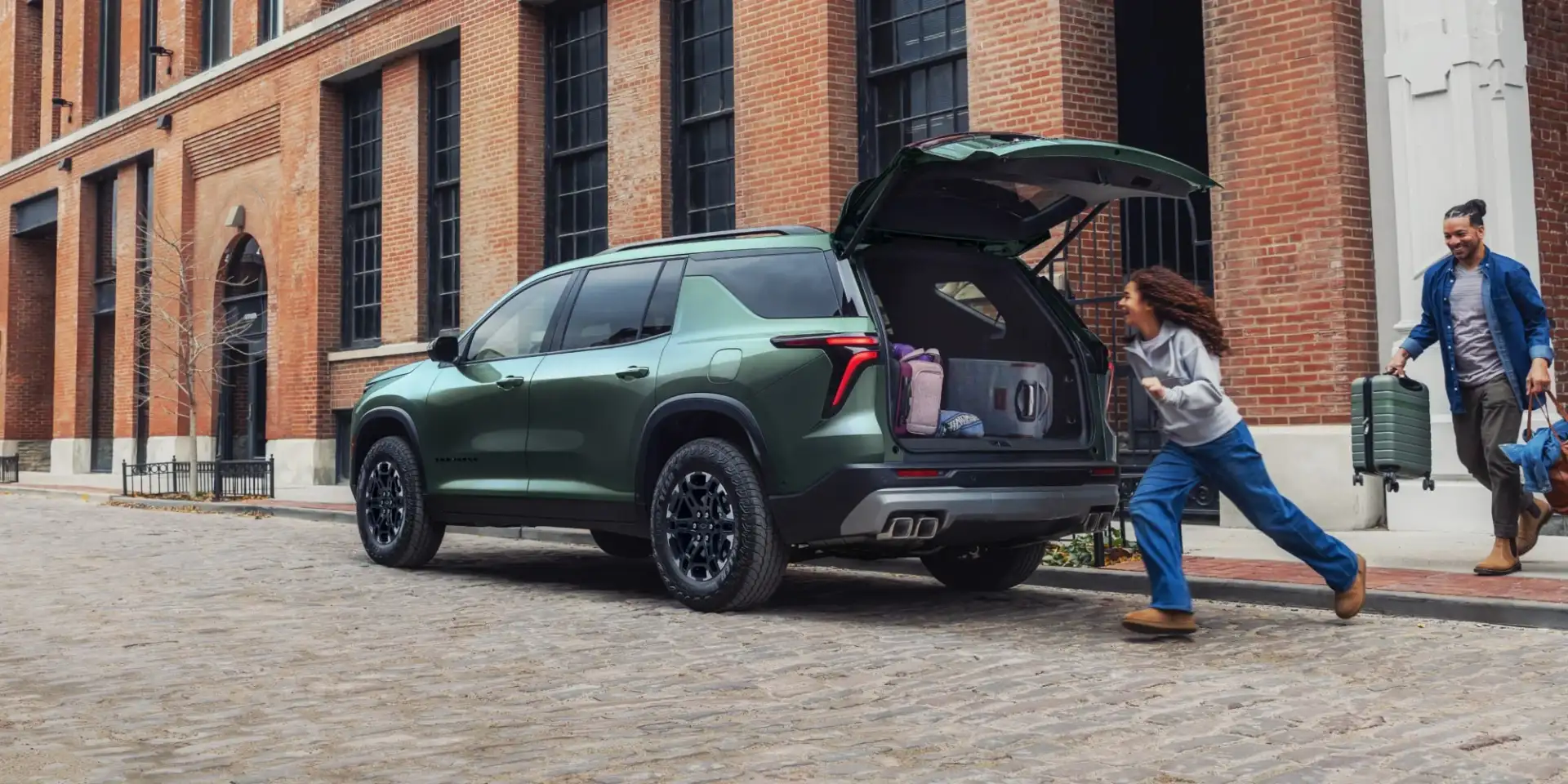
The right family SUV should make a Tuesday afternoon easier, not just look good in a showroom. When you are figuring out how to choose family SUV options, think beyond the number of seats. Consider the car-seat routine, muddy cleats, grocery runs, visiting relatives, Lake County winter roads, and the longer drives that turn a quiet cabin into a real priority.
A family SUV is a long-term daily partner. The best choice is the one that fits the people, cargo, driving habits, and budget you have now, while leaving enough room for what may change over the next few years.
Start With Your Family’s Actual Space Needs
“Seats up to seven” can mean very different things from one SUV to another. Before comparing models, count the passengers you carry most often, then picture what they bring with them. A family of four that usually stays local may be well served by a two-row SUV. A household that regularly carpools, travels with grandparents, or has three children in car seats may benefit from a third row.
For many shoppers, a compact two-row SUV such as the Chevrolet Equinox makes sense for school drop-offs, commuting, and weekend errands. It offers a manageable size for parking lots while still providing flexible cargo space. The Chevrolet Blazer is another two-row option for families that want a more athletic driving feel and a larger cabin footprint.
If a third row is genuinely part of your routine, the Chevrolet Traverse deserves a close look. It can seat up to eight passengers when properly equipped and provides substantial maximum cargo volume when the rear rows are folded. That extra room matters when a stroller, sports bags, a cooler, and luggage all need a place to go.
Test the Third Row, Not Just the Second Row
A third row is useful only if people can get to it comfortably. At your test drive, have everyone climb in and out as they would in real life. Check whether the second row slides or tilts easily, and see whether a child can reach the buckle without help.
If you use rear-facing car seats, bring one along. Install it behind the driver or passenger seat, then adjust the front seat to a comfortable position. This small exercise tells you more than a spec sheet about whether the SUV will work for your family.
Put Cargo Space in Context
Cargo measurements are helpful, but they do not always show how usable the space feels. A wide, square cargo opening can be more practical than a slightly larger number on paper. Pay attention to the load floor height, underfloor storage, the shape of the rear hatch opening, and how easily the seats fold.
Bring a few representative items to the dealership if possible: a stroller, hockey bag, folding wagon, or the tote bins you use for weekend activities. Families around Gurnee, Mundelein, and Grayslake often need an SUV that can handle a full week of errands as easily as a summer trip to the lake.
Also think about what happens when every seat is occupied. Some three-row SUVs have generous cargo room behind the second row but limited space behind the third. That is not a deal-breaker if the third row is used occasionally. If it will be full every day, test how much still fits in back.
Make Safety Features Part of the Decision
Safety is not one feature. It is the combination of vehicle design, visibility, driver-assistance technology, tires, maintenance, and good driving habits. Start with the basics: clear outward sightlines, a rearview camera, easy-to-reach controls, and headlights that provide confident visibility on darker roads.
Then compare available and standard driver-assistance features. Depending on model and configuration, useful technologies may include Automatic Emergency Braking, Forward Collision Alert, Lane Keep Assist with Lane Departure Warning, Following Distance Indicator, and Rear Cross Traffic Alert. These systems can provide alerts or braking support in certain situations, but they do not replace an attentive driver.
For a family SUV, rear-seat reminders and rear occupant alerts can also be worth considering. So can a surround-view camera system if you frequently park in tight school lots or busy shopping areas. Review the features on the exact vehicle you are considering, because availability can vary by trim level and model year.
Choose a Powertrain for Your Normal Week
The best engine or electric powertrain depends on where and how you drive. If most of your miles are short commutes and local errands, fuel efficiency and easy maneuverability may matter more than maximum towing capability. If your weekends include a boat, small camper, or trailer, towing capacity and the required equipment deserve more attention.
Do not buy more capability than you will use, but do not underestimate your needs either. Towing involves more than a single maximum rating. You need to consider trailer weight, passengers, cargo, hitch equipment, and the SUV’s specific configuration. Ask for help confirming the proper setup before making plans around towing.
For EV-curious families, the Equinox EV and Blazer EV offer a different ownership experience worth exploring. Home charging access is usually the first question. If you can charge where you live, an EV may fit naturally into a routine of overnight charging and local driving. For frequent long trips, look at your regular routes, charging stops, and how your family feels about planning breaks around charging.
There is no universal winner between gas and electric. The right answer comes down to your daily mileage, parking situation, travel patterns, and comfort with charging.
Comfort Matters More Than You Think
A quiet, supportive cabin can change the feel of every drive. During a test drive, leave the radio off for a few minutes. Listen for road noise, notice ride quality over uneven pavement, and pay attention to whether the driver and passengers have enough room to settle in.
Climate control is especially relevant for families in northern Illinois. Check how quickly the cabin heats and cools, whether rear passengers have their own vents or controls, and how easy it is to reach the defroster settings. Heated front seats, a heated steering wheel, and remote start can be welcome additions during cold weather, but prioritize the features your household will use most.
Storage also deserves a close look. Cup holders are helpful, but so are door pockets, a usable center console, USB ports in the right places, and a spot for a handbag or small backpack that does not end up on the floor.
Compare New and Certified Used With the Same Checklist
A new SUV can offer the latest features, full factory coverage, and the ability to select the trim and equipment that best fit your needs. A CarBravo certified used SUV can be a smart route for value-focused shoppers who want a carefully inspected vehicle with added buying confidence.
The decision should not be based on age alone. Compare mileage, condition, service history, warranty coverage, tires, brakes, technology, and the features your family considers non-negotiable. A used SUV with the right seating layout and safety equipment may serve you better than a new one that requires compromises.
Financing is part of the comparison, too. Review the full ownership picture, including expected fuel or charging costs, insurance, maintenance, and the length of the loan. A conversation with a financing team can help you evaluate options clearly without rushing the vehicle decision.
Take a Test Drive That Reveals the Truth
A quick loop around the block rarely answers the questions that matter. Use the drive to recreate your normal conditions: merge onto a highway, make a few turns, park it, back it up, and let each regular driver spend time behind the wheel.
Before you leave, check the second and third rows, cargo area, phone connectivity, and visibility from every seating position. Then ask one simple question: can you picture loading this SUV on a hectic morning without feeling frustrated?
The SUV that earns an easy “yes” is usually the one worth pursuing. When you are ready, visit Libertyville Chevrolet to compare new and certified used options in person, bring the family, and take the kind of test drive that makes the choice feel clear.
Frequently Asked Questions
Is all-wheel drive worth it for a family SUV in northern Illinois?
For many Lake County families, all-wheel drive adds confidence when accelerating on snowy or slushy roads, and it is available on several Chevrolet SUVs. It does not shorten stopping distances, so good tires matter just as much. If you rarely drive in poor conditions, front-wheel drive with quality winter tires may be enough. Test both at Libertyville Chevrolet to compare.
How many car seats fit across the second row of a Chevy SUV?
It depends on the model, seat configuration and the specific car seats you use. Some SUVs offer a second-row bench, while others use captain’s chairs that improve third-row access but reduce second-row seating. The most reliable answer comes from installing your own seats. Bring them to Libertyville Chevrolet and our team can help you try different layouts.
Should I choose second-row captain’s chairs or a bench seat?
Captain’s chairs create a walkway to the third row, which helps older kids climb back on their own and can reduce sibling squabbles. A bench adds a seat and can be better for families who carry more passengers. Think about who rides in back most often, then sit in both setups on a Traverse or other three-row Chevrolet before deciding.
Is a Chevy Tahoe or Suburban a better fit than a Traverse?
The Tahoe and Suburban are full-size, body-on-frame SUVs built for families who tow heavier trailers or need maximum passenger and cargo room. The Traverse is a crossover that is easier to park and generally more efficient for daily driving. If towing a large boat or camper is part of your plans, compare all three at Libertyville Chevrolet.
0 comment(s) so far on How to Choose a Family SUV That Fits Real Life