



Hybrid Versus Gas: Which Vehicle Fits You?
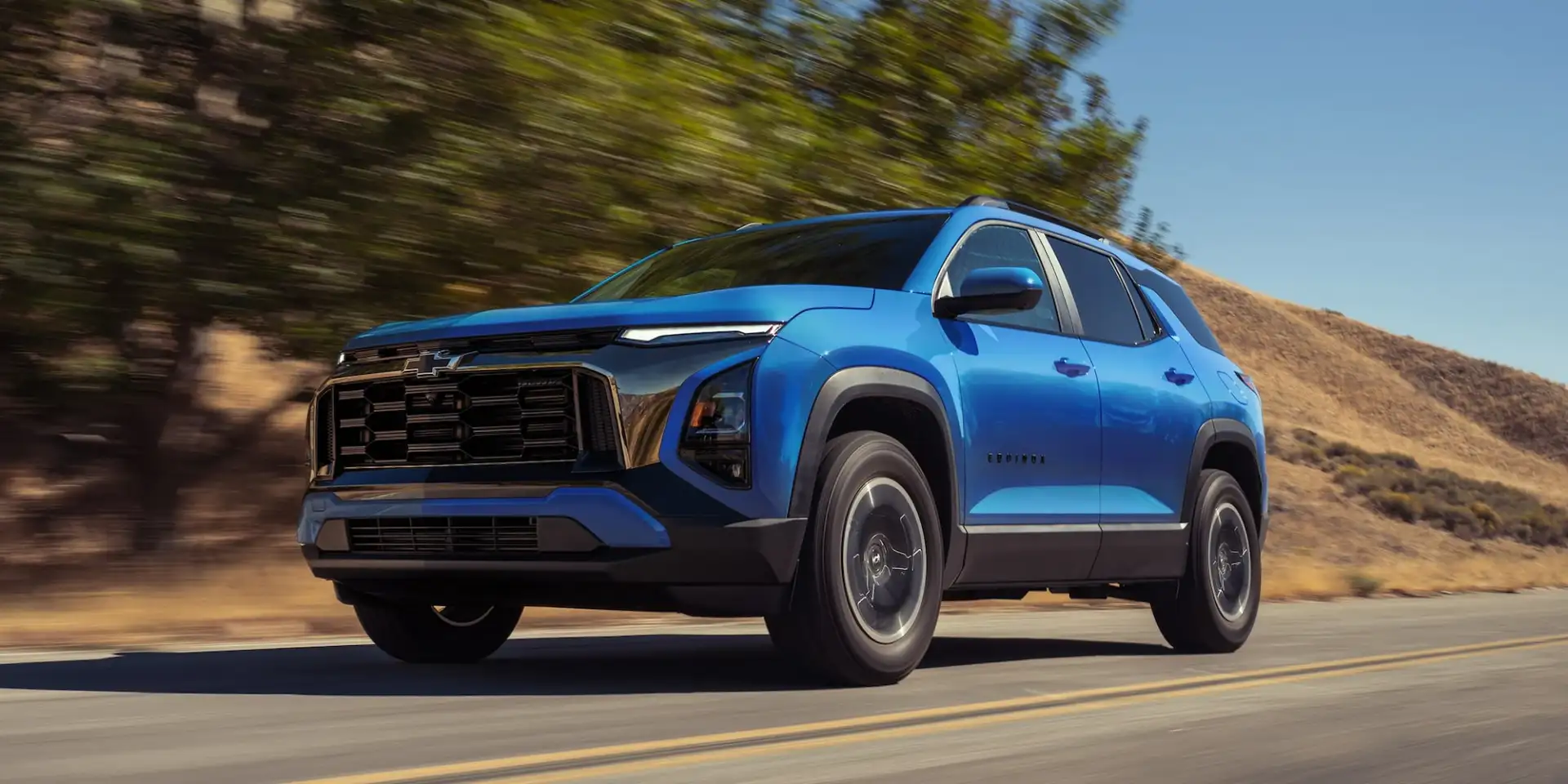
A hybrid can make perfect sense for a parent handling school drop-offs in Vernon Hills, a commuter driving daily through Lake County, or anyone tired of watching the fuel gauge fall during stop-and-go traffic. But hybrid versus gas is not a simple question of choosing the vehicle with the highest fuel-economy rating. Your driving routine, winter conditions, cargo needs, towing plans, and the vehicles actually available all matter.
For many households, a gas-powered SUV or truck remains the better fit because it is familiar, capable, and easy to refuel anywhere. For others, a hybrid’s ability to use electric power at lower speeds can reduce fuel use enough to change the ownership experience. The best choice starts with an honest look at how you drive most days, not just the occasional road trip.
Hybrid Versus Gas: The Everyday Difference
A conventional gas vehicle relies entirely on an internal-combustion engine. You fill it with gasoline, the engine powers the wheels, and its fuel use generally rises in frequent stop-and-go driving, hard acceleration, heavy loads, and cold weather.
A full hybrid combines a gas engine with an electric motor and a small battery. It can capture energy while slowing down through regenerative braking, then use that stored energy to assist the gas engine or move the vehicle on electric power for limited periods. You still fill up at a gas station. A standard hybrid does not need to be plugged in.
That makes a hybrid especially useful for drivers who spend a lot of time at traffic lights, in suburban congestion, or on short errands. In these situations, the electric motor can do more of the work that would otherwise require fuel. A gas vehicle may narrow the gap on long stretches of steady highway driving, where the engine can operate efficiently without constant braking and acceleration.
There is another category worth separating from both: the plug-in hybrid. It has a larger battery and can travel a limited distance on electricity before operating more like a hybrid. It can be a strong option for drivers with reliable charging at home, but it asks more of the owner. If charging becomes inconvenient, much of the potential fuel-saving benefit can disappear.
Start With Your Actual Commute
A driver traveling from Gurnee to Waukegan every day in busy traffic may see more benefit from a hybrid than a driver who mostly makes longer, open-road trips. Likewise, someone whose vehicle is used for several short trips each day can benefit from a hybrid’s regenerative braking and low-speed electric assistance.
A gas vehicle is often a better match when your weekly miles are lower, your routes are mostly highway, or you simply want the widest possible selection of body styles and capability levels. Fuel economy matters, but it is only one part of the ownership picture. If you need three rows, substantial cargo room, available all-wheel drive, or frequent towing capability, the right gas-powered SUV or truck may serve your family better than a smaller hybrid.
Before deciding, think through a normal month. How many miles do you drive? Are most trips under 10 miles or over 30? How often do you sit in traffic? Do you make regular trips up north, haul equipment, or carry a full crew? Those answers are more useful than choosing based on a single fuel-economy number.
Towing, Payload, and Family Space
Truck shoppers should be particularly careful not to treat all powertrains as interchangeable. A gas-powered Chevrolet Silverado or Colorado can be a practical choice when towing, payload, trailering equipment, and worksite needs are central to the decision. Capability varies by engine, configuration, drivetrain, and equipment, so it is worth matching the truck to the trailer or cargo you expect to carry.
For family SUV shoppers, gas models such as the Equinox, Blazer, and Traverse offer different approaches to passenger room, cargo flexibility, and available capability. A compact SUV may be easier to park and more efficient for daily driving, while a larger three-row SUV can make a noticeable difference when car seats, sports gear, luggage, or visiting family are part of the routine.
A hybrid may reduce fuel use, but it does not automatically provide the space or towing confidence your household needs. On the other hand, choosing more vehicle than you need can mean carrying extra size and weight every day. The right answer usually sits between those two extremes.
Maintenance: What Really Changes?
Gas vehicles have familiar maintenance needs. Oil changes, engine filters, spark plugs, belts or chains depending on the engine, and other scheduled services are part of long-term ownership. Their systems are well understood, and service intervals are clearly laid out in the owner’s manual.
Hybrids still have gas engines, so they also require routine engine maintenance. However, regenerative braking can reduce wear on brake components because the electric motor helps slow the vehicle. Hybrid systems add electrical components and a high-voltage battery, which is why qualified service support matters.
Neither choice is maintenance-free. Tires, wiper blades, cabin filters, suspension components, and brake inspections matter regardless of powertrain. The practical question is whether you are comfortable with hybrid technology and whether the expected fuel savings align with your driving pattern over time.
Illinois Winters and Hybrid Ownership
Cold weather affects every vehicle. Gas engines can take longer to warm up, winter-blend fuel can affect efficiency, and snow-covered roads may increase rolling resistance. Hybrids also see changes in cold weather because batteries perform differently at low temperatures and the cabin needs heat.
That does not mean a hybrid is a poor choice for Illinois. It means shoppers should set realistic expectations. Fuel-economy results can vary during a Lake County winter, especially on short trips when the vehicle has less time to reach efficient operating temperatures.
For either type of vehicle, good tires, timely service, proper tire pressure, and a clear understanding of available traction systems can make a greater difference in winter confidence than the hybrid-versus-gas label alone. If winter travel to work, school, or family activities is nonnegotiable, discuss your expected routes and parking situation before choosing a vehicle.
Where Chevrolet EVs Fit Into the Conversation
Some shoppers comparing hybrids and gas vehicles are also curious about fully electric options. That is a different decision, but it is worth considering if you have dependable access to charging and most of your driving stays within the vehicle’s usable range. Models such as the Equinox EV, Blazer EV, and Silverado EV offer an all-electric alternative rather than a hybrid middle ground.
An EV can reduce visits to gas stations, but home charging access, longer-trip planning, and charging habits should be part of the conversation. If you are EV-curious but not ready to change your routine, a gas SUV or truck may feel more comfortable today. If your daily driving is predictable and charging at home is practical, an EV may deserve a closer look.
How to Make the Right Choice
There is no universal winner in hybrid versus gas ownership. A hybrid can be an excellent choice for high-mileage commuters and drivers who regularly face stop-and-go traffic. A gas-powered vehicle can be the better fit for towing, broader vehicle selection, uncomplicated refueling, and many family or work demands.
The most useful next step is to compare vehicles in person with your normal life in mind. Bring up the commute, the car seats, the trailer, the winter trips, and the weekend errands. At Libertyville Chevrolet, shoppers can explore new and used vehicle options, discuss financing choices, and schedule service support with a team focused on helping families choose with confidence. The right vehicle should fit your driveway, your routine, and the miles ahead.
Frequently Asked Questions
How can I estimate fuel costs for my own commute before choosing hybrid or gas?
Start with your typical monthly miles and the share spent in stop-and-go traffic versus highway driving. The federal fueleconomy.gov site lets you compare official ratings and estimate annual fuel cost for specific vehicles. Combine that with your real routes around Lake County, then bring the numbers to Libertyville Chevrolet to compare vehicles that fit your budget and routine.
Can a hybrid tow a trailer as well as a gas truck?
Some hybrids are rated to tow, but ratings vary widely by vehicle and configuration, and many compact hybrids are limited to light loads. If you regularly pull a boat, camper, or equipment trailer, a gas Chevrolet Silverado or Colorado configured with the right trailering equipment is often the more practical choice. Always check the specific vehicle’s towing and payload ratings.
Is a fully electric Chevrolet a better fit than a hybrid for a Lake County commute?
It can be if you have reliable home or workplace charging and most of your daily driving stays well within the vehicle’s range. An EV avoids gas stations entirely, while a hybrid still refuels with gasoline. Drivers without dependable charging, or who take frequent long trips, may find a gas or hybrid vehicle easier. A test drive of the Equinox EV helps answer the question.
Should I worry about servicing a hybrid or EV around Libertyville?
Hybrids and EVs use high-voltage components, so it is smart to choose a service department with trained technicians and proper equipment. Libertyville Chevrolet services Chevrolet gas, hybrid, and electric vehicles, and the owner’s manual remains the best guide for scheduled maintenance. Routine items like tires, brakes, wipers, and cabin filters still matter regardless of powertrain.
0 comment(s) so far on Hybrid Versus Gas: Which Vehicle Fits You?