



New Versus Used Car: Which One Fits You?
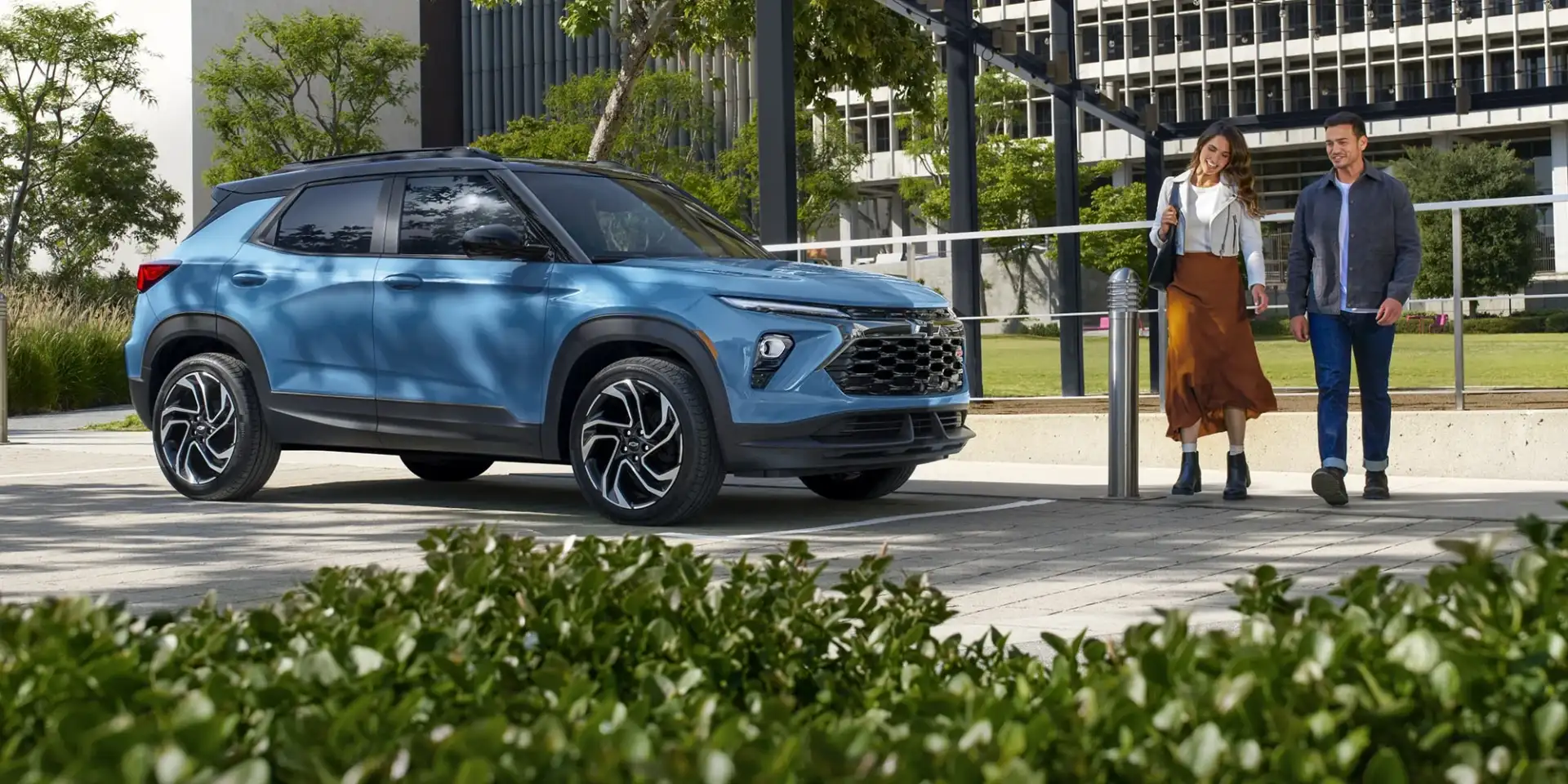
A new versus used car decision is rarely just about choosing the lower monthly payment. It is about how you drive through Lake County winters, who rides with you, how long you plan to keep the vehicle, and how much certainty you want after you leave the lot. A family in Grayslake may need a three-row SUV for school runs and weekend trips, while a Waukegan commuter may care most about efficiency, driver-assistance features, and predictable maintenance.
Both paths can be smart. The best choice comes from matching the vehicle’s age, condition, warranty coverage, and financing terms to your real life, not simply choosing the newest model or the lowest odometer reading.
New Versus Used Car: Start With Your Priorities
New vehicles appeal to shoppers who want the latest design, current safety technology, full factory warranty coverage, and the confidence of being the first owner. A new Chevrolet Equinox, Traverse, Silverado, or Blazer can be configured around your needs, whether that means family-friendly space, truck capability, or a comfortable daily commute.
Used vehicles make sense when value and selection lead the conversation. You may be able to choose a vehicle with more features, a larger cabin, or added capability than you expected. A well-maintained pre-owned SUV or truck can serve a family for years, especially when its history, condition, and inspection results are clear.
Before comparing listings, decide which of these matters most: long-term ownership, current technology, monthly budget, warranty protection, towing or cargo needs, and how quickly you need a vehicle. Those answers make the comparison much easier.
Why a New Chevrolet May Be the Better Fit
A new vehicle gives you a clean starting point. You know its ownership history because there is none, and you can follow the maintenance schedule from day one. For many drivers, that predictability has real value.
Current safety and convenience features
Vehicle technology changes quickly. New models may offer more advanced driver-assistance systems, larger infotainment displays, wireless smartphone integration, available camera views, and updated connectivity. These features are not just nice to have when your routine includes busy parking lots, highway traffic, or teen drivers.
New Chevrolet SUVs can be especially appealing for growing families. The Equinox offers an easy-to-manage size for everyday errands, the Blazer brings a more athletic feel, and the Traverse gives many households the room they need for passengers, sports gear, and road-trip luggage. Truck shoppers can compare a new Colorado with a new Silverado based on the work, towing, and bed space they actually need.
Full warranty coverage and predictable ownership
Factory warranty coverage is one of the clearest advantages of buying new. It can provide reassurance during the early years of ownership, when you want to focus on driving rather than unexpected repair decisions. You also get the benefit of a vehicle that has not been exposed to another driver’s habits, weather conditions, or maintenance routine.
That does not mean a new vehicle will always cost less to own. Insurance, taxes, financing terms, and depreciation all deserve a place in your budget. Still, shoppers who plan to keep a vehicle for many years often appreciate starting with a full warranty and a known maintenance timeline.
A better path for EV-curious drivers
If you are considering an Equinox EV, Blazer EV, or Silverado EV, buying new can simplify the process. You can learn the vehicle’s charging features, range expectations, available home-charging setup, and ownership tools with guidance tailored to the exact model. For drivers who are new to electric vehicles, that support can be as valuable as the vehicle itself.
When Used Is the Right Choice
Used vehicles are not one category. A late-model certified option, a well-documented trade-in, and an older vehicle with limited records should not be evaluated the same way. The goal is to understand what you are buying, what protection comes with it, and what future maintenance may look like.
More flexibility in your vehicle search
A used vehicle can broaden your choices. You might find a pre-owned Silverado with the cab configuration you want, a Traverse with family-focused features, or an Equinox that fits a practical commuter role. Shoppers comparing Chevrolet with other brands can also use the used market to drive several body styles and feature combinations before deciding what feels right.
Mileage matters, but it is not the whole story. A vehicle with more miles and consistent maintenance records can be a stronger choice than one with fewer miles and an uncertain history. Condition, service records, tire wear, brake condition, accident history, and how the vehicle drives all belong in the conversation.
Certified used adds useful reassurance
For buyers who want a middle ground, a CarBravo certified used vehicle can be worth considering. Certified programs generally add inspection standards and may include limited warranty or coverage benefits, although eligibility and coverage details vary by vehicle. Ask for the specific certification information on any vehicle you are considering, including what was inspected, what coverage applies, and what maintenance items may be due next.
That extra clarity can be helpful for a first-time buyer, a parent shopping for a college student, or anyone who wants used-vehicle value without feeling left on their own after purchase.
Compare the Total Ownership Picture
The right comparison is not new payment versus used payment. It is the full ownership picture over the time you expect to keep the vehicle.
A new vehicle may have a higher initial cost but less immediate maintenance uncertainty and newer technology. A used vehicle may reduce the initial amount financed, but it could be closer to scheduled tire, brake, battery, or fluid-service needs. Neither outcome is automatically better. The deciding factor is whether the overall plan fits your household.
When reviewing financing, look at the term length, rate, down payment, trade-in value, estimated insurance costs, and the amount you will finance. A lower payment can be useful, but extending a loan longer than you expect to keep the vehicle may not support your goals. A conversation with a dealership finance team can help you compare structures without guessing.
Questions to Ask Before You Choose
Bring practical questions to your test drive and vehicle review. They will help you compare options on more than appearance alone:
- Does this vehicle fit our passengers, car seats, cargo, and usual weekend plans?
- What warranty or certified coverage applies, and what does it exclude?
- What maintenance is due now or likely to be due during our first year of ownership?
- Which features will we use every day, rather than only admire on the window sticker?
- If this is an EV, where will we charge and how does its range fit our routine?
For a used vehicle, ask to review the vehicle history report and service information available. Take a complete test drive that includes local streets, braking, parking, acceleration, and highway speeds when possible. Listen for unusual noises, check that features operate as expected, and make sure the seating position works for the people who will drive it most.
Match the Vehicle to the Next Few Years
Try not to buy only for this month. Think about the next few years of changes in your household. A compact SUV may be perfect for a solo commuter today, but a growing family may benefit from the flexibility of a larger model. A midsize truck may handle occasional projects well, while frequent towing or jobsite use could point toward a full-size Silverado.
At the same time, avoid buying more vehicle than your life requires. The best vehicle is one that feels capable, comfortable, and sensible every time you use it. That may be a new Equinox EV for an EV-ready commute, a certified pre-owned Traverse for a busy family, or a well-equipped used Colorado for weekend projects.
When you are ready, compare a few new and used options side by side, take the time to test-drive them, and ask for clear answers about condition, coverage, and financing. A good vehicle decision should leave you feeling confident about the road ahead, and comfortable returning for service long after the keys are in your hand.
Frequently Asked Questions
How many miles is too many for a used car?
There is no single cutoff. A vehicle with higher mileage and consistent maintenance records can be a better buy than a low-mileage one with gaps in its history. Look at condition, service records, accident history and how it drives. Libertyville Chevrolet can show you the history and inspection details on any pre-owned vehicle you are considering.
Are interest rates different for new and used car loans?
They often are. Lenders may offer different rates and terms for new and used vehicles, and promotional financing from the manufacturer typically applies to new models. Your credit profile, down payment and loan term also affect the rate. The Libertyville Chevrolet finance team can compare new and used financing side by side so you can see the full cost.
Should I check for open recalls on a used car?
Yes. Before buying, ask whether the vehicle has any open safety recalls and whether repairs have been completed. You can look up a vehicle by its VIN using the recall lookup tools from the manufacturer or federal safety regulators. Chevrolet recall repairs are performed at no charge by a Chevrolet dealer such as Libertyville Chevrolet.
Can I trade in my current car whether I buy new or used?
Yes. Your trade-in can apply toward either a new or used vehicle, and in Illinois its value can reduce the taxable amount of your purchase. If you still owe on the loan, the payoff is handled as part of the deal. Get an estimate online from Libertyville Chevrolet, then bring the vehicle in for a final appraisal.
0 comment(s) so far on New Versus Used Car: Which One Fits You?