



Silverado EV Towing Capacity for Real Work
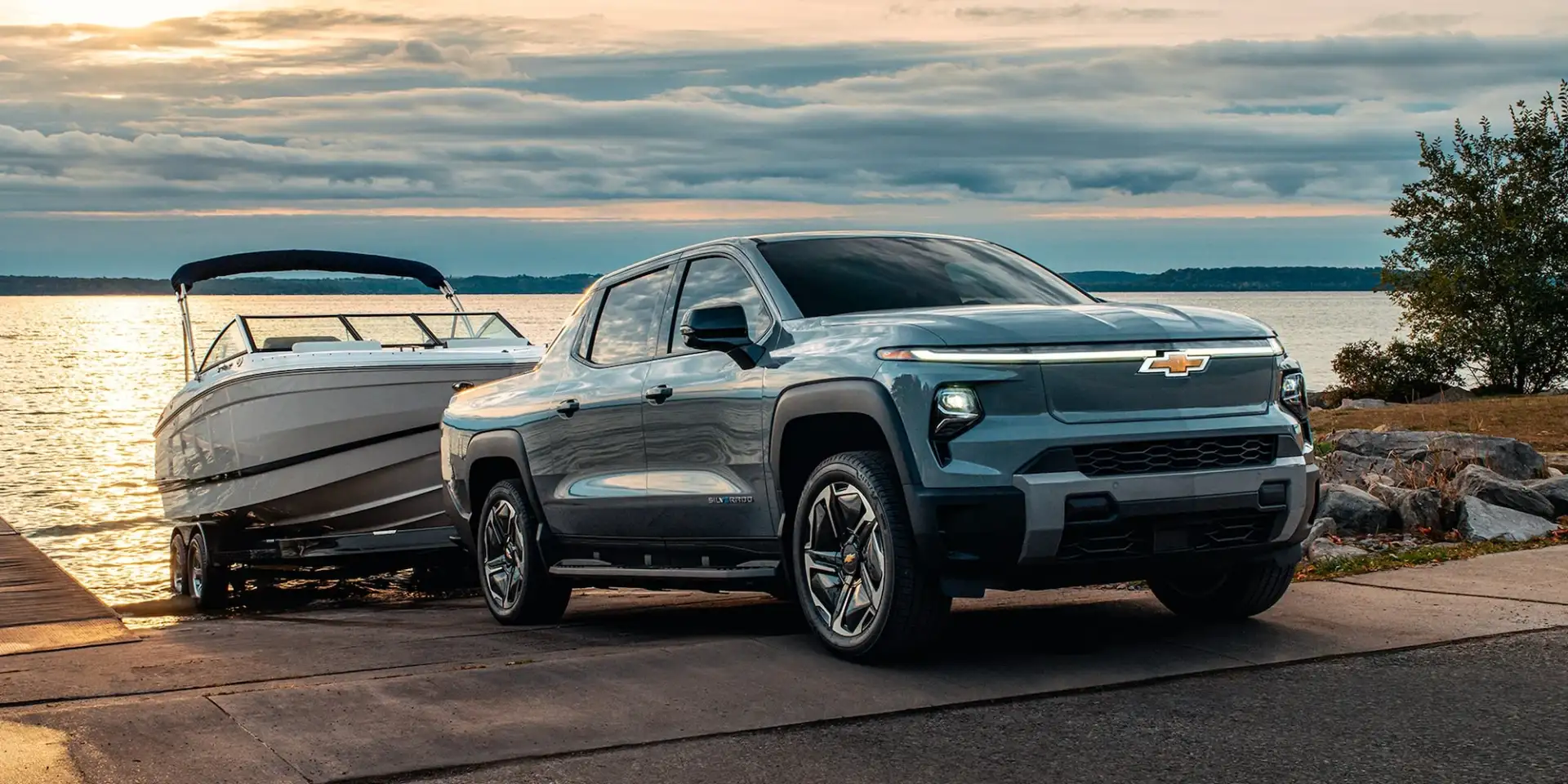
A quiet launch at the boat ramp, instant torque when the trailer starts to pull, and no stop at the gas station before heading home. That is part of the appeal of an electric truck. But for truck shoppers around Gurnee, Mundelein, and Lake Forest, the real question is more practical: can it handle the camper, work trailer, or fishing boat already in the driveway? Silverado EV towing capacity reaches up to 12,500 pounds when properly equipped, putting this all-electric Chevrolet truck in serious towing territory.
That maximum figure is only the start of the conversation. The right Silverado EV configuration, the weight of the trailer, available hitch equipment, passenger load, and the distance you plan to travel all affect whether it is the right fit for your routine.
Silverado EV Towing Capacity: The Headline Number
The Chevrolet Silverado EV offers a maximum towing capacity of up to 12,500 pounds when properly equipped. That rating makes it capable of handling many substantial recreational and work-focused trailers, including larger travel trailers, enclosed equipment trailers, car haulers, and some boat-and-trailer combinations.
The phrase “when properly equipped” matters. Towing capability is tied to the specific trim, battery, drivetrain setup, wheels and tires, hitch equipment, and factory trailering package. A Silverado EV with the highest possible rating is not necessarily configured the same way as every Silverado EV on the lot.
If you are comparing trucks, begin with the loaded weight of what you actually tow, not the empty weight printed in a brochure. A camper gains weight quickly once it is packed with water, propane, food, bikes, bedding, and gear. An enclosed trailer may carry tools one week and a heavy side-by-side the next. Choosing with real-world weight in mind leaves a safer, more comfortable margin.
What Can a Properly Equipped Silverado EV Tow?
A 12,500-pound maximum rating gives the Silverado EV broad capability, but every trailer should be matched individually. Many owners will find it suitable for a family travel trailer, a ski or wake boat, a utility trailer loaded with landscaping equipment, or a vehicle trailer.
The truck’s electric power delivery is especially useful at low speeds. Electric motors deliver torque immediately, so pulling away from a stop, climbing a ramp, or merging with traffic can feel controlled and confident. The Silverado EV’s low-mounted battery also helps lower the truck’s center of gravity, which can contribute to composed road manners.
Still, capacity is not a suggestion to tow at the maximum every weekend without planning. A trailer near the limit places greater demands on tires, brakes, cooling systems, route planning, and driver attention. For frequent long-distance towing, many shoppers prefer a setup that stays comfortably below the truck’s maximum rating.
Payload Matters as Much as Towing Capacity
Towing capacity tells you how much trailer weight the truck can pull. Payload tells you how much weight can ride in the truck itself. That includes passengers, cargo in the bed or cabin, accessories, and the trailer’s tongue weight pressing down on the hitch.
Tongue weight is commonly around 10% to 15% of a conventional trailer’s loaded weight. A 10,000-pound loaded trailer, for example, may place roughly 1,000 to 1,500 pounds on the truck. Add a family of four, a cooler, recovery gear, and bed cargo, and payload can become the limiting factor before the published towing maximum does.
This is why a one-on-one vehicle review is worthwhile. Bring your trailer specifications, estimated cargo weight, and passenger needs. A Chevrolet product specialist can help you look beyond the headline number and identify a Silverado EV configuration that fits the entire load.
How Towing Affects Silverado EV Range
Towing affects every truck’s efficiency, but the impact is more visible with an EV because range is central to trip planning. The trailer’s size, weight, shape, tire pressure, terrain, temperature, wind, and driving speed all influence how far the Silverado EV can travel on a charge.
Aerodynamics can matter as much as weight. A tall, square-fronted camper creates more drag than a low, streamlined boat trailer, even if the boat trailer is heavier. Highway speed also makes a noticeable difference. Slowing down slightly can help preserve range and make the trip more relaxed.
There is no single towing-range figure that applies to every Silverado EV and every trailer. Instead, plan around your specific use. A short trip from Waukegan to a nearby campground is very different from a multi-state towing vacation. Before a longer journey, map charging stops with enough room to enter, maneuver, and exit while connected to a trailer. Charging locations vary, and not every station is designed with a long trailer in mind.
Cold northern Illinois weather can also reduce available range, especially when combined with a loaded trailer. That does not rule out towing in cooler months, but it does make conservative planning smart. Build in a range buffer rather than arriving at a charger with little charge remaining.
Trailering Features That Make the Job Easier
The Silverado EV is available with technology designed to reduce some of the stress that comes with trailering. Depending on the configuration, available trailering tools can help drivers monitor the trailer, work through hitching steps, and keep key information close at hand.
Available camera views can be particularly helpful when lining up a hitch, checking the area around the truck, or keeping an eye on a trailer while maneuvering in a campground or jobsite. Trailer-related alerts and integrated trailering information can also make it easier to stay aware of the equipment behind you.
Technology is helpful, but it does not replace proper setup. Confirm that the trailer brakes are adjusted, safety chains are correctly attached, lights work, the load is balanced, and the hitch is rated for the application. For conventional trailers, a properly matched weight-distribution hitch may be recommended or required based on the trailer and equipment. Always follow the Silverado EV owner’s manual and the trailer manufacturer’s instructions.
Silverado EV vs. Gas Silverado for Towing
A gas-powered Silverado remains a strong answer for drivers who tow frequently over long distances, work in remote areas, or need fast refueling with little route planning. Fuel stations are easy to find, and a traditional truck can be more convenient for an unpredictable day involving many miles and a heavy trailer.
The Silverado EV brings different strengths. Its instant torque, quiet operation, and at-home charging can be appealing for people whose towing is local or regional. It can make sense for a boat owner who makes regular trips to the lake, a homeowner who occasionally tows a camper, or a contractor whose trailer use stays within a familiar service area.
The better choice depends on your habits, not a single spec. Ask yourself how often you tow, how far you typically travel, whether you can charge at home, and whether your routes have convenient charging options. Shoppers also comparing the Silverado EV with a gas Silverado or Colorado should consider trailer weight, bed needs, and the number of passengers they carry.
A Quick Pre-Tow Checklist
Before leaving, verify the truck’s specific tow rating and payload label, then weigh the loaded trailer if there is any uncertainty. Confirm that your trailer is within the truck’s limits and that the tongue weight does not overload the truck.
Check tire condition and pressure on both the truck and trailer, test every exterior light and brake function, secure cargo, and adjust mirrors for a clear view down both sides of the trailer. For an EV trip, start with a healthy charge and identify charging stops before you leave. A little preparation helps protect range, control, and peace of mind.
The Silverado EV proves that moving to an electric truck does not mean giving up meaningful towing capability. If you have a trailer in mind, bring its details to Libertyville Chevrolet and compare Silverado EV configurations based on the way your family, business, or weekend plans actually work.
Frequently Asked Questions
Can I charge the Silverado EV without unhitching my trailer?
Sometimes. It depends on the charging station layout. Many public chargers use back-in or nose-in stalls that are hard to reach with a trailer attached, while some newer sites include pull-through spaces. Check station layouts before your trip and have a backup plan in case you need to unhitch. Before you buy, the Libertyville Chevrolet team can walk you through the Silverado EV’s charging and trip-planning features.
Does towing with an EV wear out the battery faster?
Towing increases the energy used per mile, which means more frequent charging, but the Silverado EV’s battery system is designed with thermal management to handle demanding use. Following the owner’s manual, avoiding routine charging to 100 percent when you do not need it, and keeping software up to date help support long-term battery health. Ask our service team about EV battery care.
Do I need special maintenance on a Silverado EV that tows?
An electric truck skips oil changes, but towing still puts extra demand on tires, brakes, suspension, and the hitch. Inspect tires and hitch hardware regularly, and follow the maintenance schedule in the owner’s manual for trailering use. The Libertyville Chevrolet service department works on hybrid and electric Chevrolet vehicles and can inspect your truck before towing season.
How do I choose the right Silverado EV configuration for my trailer?
Start with your trailer’s loaded weight, its tongue weight, and how far you usually tow. Then compare those numbers with the tow rating and payload label of the specific truck, since trim, battery, and trailering package all change the ratings. Bring your trailer details to Libertyville Chevrolet and the team can help you match a Silverado EV configuration with a comfortable margin.
0 comment(s) so far on Silverado EV Towing Capacity for Real Work