



Silverado Trim Level Guide for Truck Buyers
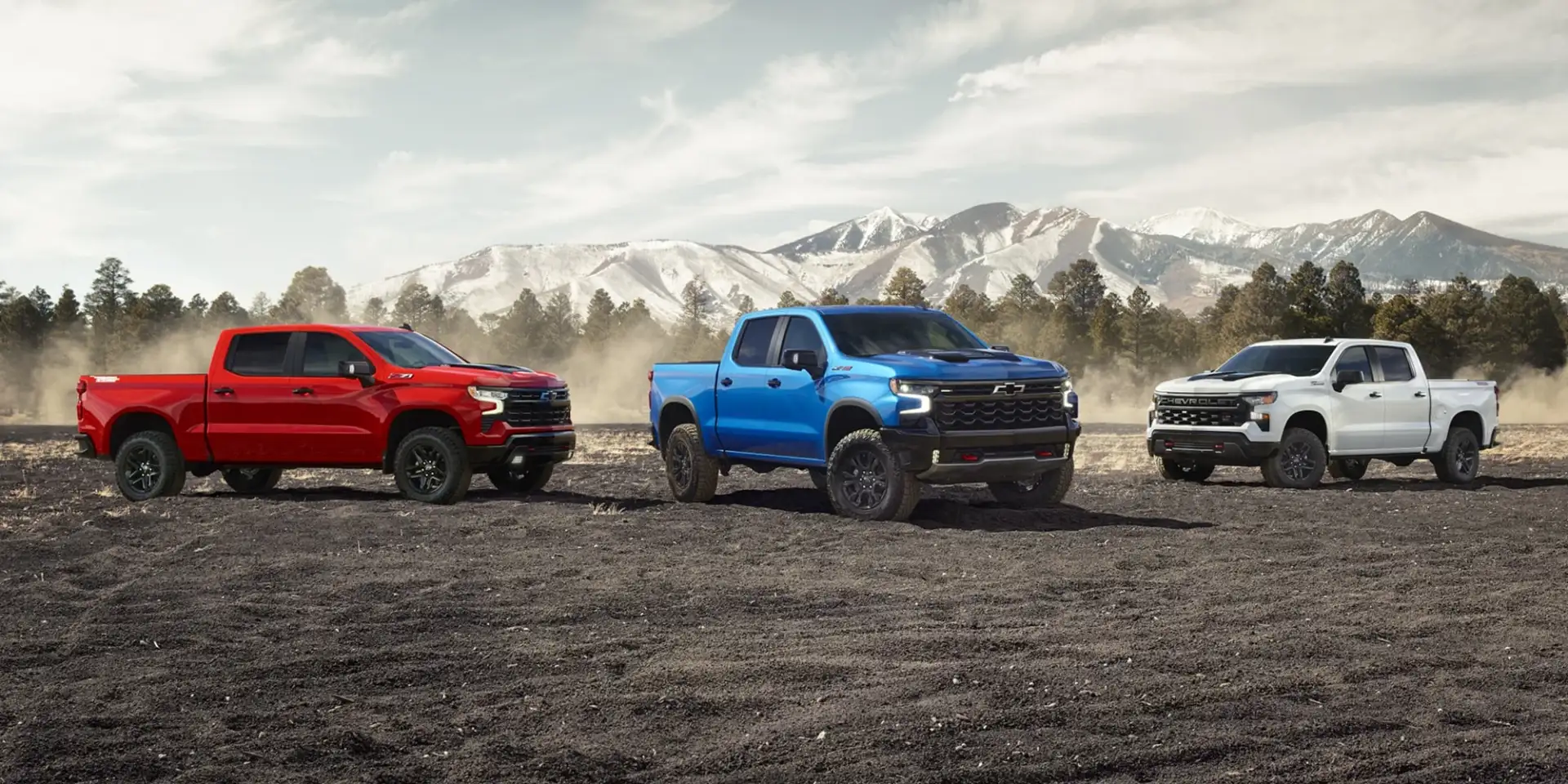
A Silverado can be a jobsite partner on Monday, a tow vehicle for the boat on Friday, and the family truck for a trip through Lake County on Saturday. That range is exactly why this Silverado trim level guide matters. The right choice is not always the most equipped trim. It is the truck that gives you the capability, comfort, and features you will actually use without paying for equipment that does not fit your routine.
For most shoppers, the conversation starts with the Chevrolet Silverado 1500. Its trim lineup moves from practical work trucks to luxury-focused pickups, with serious off-road options in between. Features, packages, engines, and availability can vary by model year, so it helps to use the trims as a starting point and compare the specific trucks available when you shop.
Silverado Trim Levels at a Glance
The Silverado 1500 family generally includes WT, Custom, Custom Trail Boss, LT, RST, LT Trail Boss, LTZ, ZR2, and High Country. Not every trim is built for the same driver. WT and Custom put everyday utility first, LT and RST add more convenience and style, Trail Boss and ZR2 target rough terrain, and LTZ and High Country lean into premium comfort.
Cab and bed selection matter just as much as the badge on the tailgate. A Regular Cab with a long bed can be a smart choice for commercial use, while a Crew Cab gives growing families, work crews, and friends much more rear-seat room. Bed lengths affect maneuverability, cargo capacity, and how easily the truck fits into a garage or parking space.
WT: Built for the Workday
The Silverado WT, short for Work Truck, is the straightforward choice for drivers who want a capable pickup without unnecessary extras. It is especially appealing to contractors, fleet buyers, property owners, and anyone whose truck regularly carries tools, materials, or equipment.
WT models are designed around function. Depending on the configuration, that can mean durable interior materials, practical storage, trailering technology, and a range of powertrain choices. A WT does not have to be bare-bones, though. Available packages can add useful towing, safety, and connectivity features.
Choose the WT when the truck is primarily a tool. Not sure whether a Chevy or GMC pickup fits better? Our guide to Silverado vs. Sierra breaks down the differences. It can also be a sensible option for a buyer who plans to add their own bed cover, ladder rack, toolbox, or other work accessories.
Custom: A More Distinctive Everyday Truck
The Custom adds a sportier look and more personality while keeping the Silverado’s practical foundation. It is a natural step up for drivers who want a truck that feels more finished for daily use but still stays focused on value.
This trim often stands out with body-color exterior details, larger wheels, and a more expressive appearance than the WT. It can be a good match for a driver commuting from Gurnee or Mundelein during the week, then loading up home-improvement supplies or weekend gear when the workday ends.
The trade-off is simple: the Custom may offer more visual appeal than a WT, but shoppers seeking a more upgraded cabin and broader comfort features may be happier moving to an LT or RST.
Silverado Trail Boss Trims for Off-Road Confidence
The Custom Trail Boss and LT Trail Boss are for drivers who expect to leave the pavement. Both build on their respective trims with off-road-oriented equipment, commonly including a factory lift, four-wheel drive, off-road suspension hardware, skid plates, and all-terrain tires.
The Custom Trail Boss is the more value-minded route into an off-road Silverado. It is a strong fit for gravel roads, muddy access trails, hunting property, and winter conditions that call for extra traction. It also delivers the bolder, lifted stance many truck shoppers want.
The LT Trail Boss adds the more comfortable, connected feel of the LT trim to that trail-ready foundation. For many buyers, it hits a particularly useful middle ground: capable enough for weekend adventures, civilized enough for a daily commute and family errands.
A Trail Boss is not automatically the best choice for every outdoors-oriented driver. Its all-terrain tires and lifted setup may be more than you need if your truck spends nearly all of its time on highways and suburban streets. Those features can also affect ride feel and fuel use compared with a road-focused configuration.
ZR2: The Most Serious Off-Road Silverado 1500
The Silverado ZR2 sits at the dedicated off-road end of the lineup. It is engineered for more demanding terrain, with equipment such as advanced Multimatic DSSV dampers, enhanced underbody protection, and off-road-focused front and rear differential hardware, depending on the model year.
This is the trim to consider when off-roading is a real part of ownership rather than an occasional photo opportunity. The ZR2 can make sense for drivers who travel challenging trails, manage rural land, or want factory-engineered hardware designed for more technical conditions.
For a truck that will mostly tow on the highway or run errands around Waukegan and Vernon Hills, an LT Trail Boss or RST may be the more balanced answer. The ZR2’s specialized equipment is impressive, but it is best appreciated by someone who will put it to work.
LT and RST: The Everyday Sweet Spot
For many Silverado shoppers, the decision comes down to LT versus RST. Both are popular because they combine truck capability with enough convenience for daily life.
The LT typically emphasizes an upgraded interior experience, useful technology, and a traditional Silverado look. It is a comfortable choice for a family that needs room for passengers but still wants a bed for bikes, sports equipment, mulch, or a trailer. Depending on the truck, available trailering assistance features can also take some stress out of lining up and monitoring a trailer.
The RST brings a more street-oriented, athletic appearance. It often features darker exterior accents and a more aggressive presentation, making it appealing to drivers who want their truck to look as at home outside a restaurant in Lake Forest as it does at a campsite. RST trucks can be configured for substantial capability, so choosing this trim does not mean sacrificing the Silverado’s working side.
The best way to separate them is to focus on priorities. Choose LT for a broadly equipped, comfort-forward truck. Choose RST if style and a sportier visual identity are equally important, while still leaving room to configure the truck around towing or cargo needs.
LTZ and High Country: Premium Without Leaving Truck Duty Behind
LTZ and High Country trims are for buyers who want a Silverado that feels more refined every day. These models usually add more upscale interior materials, advanced driver-assistance technology, premium exterior details, and comfort features that make longer drives easier.
The LTZ is often the right choice for the shopper who wants luxury touches but still prefers a strong, traditional truck character. It is well suited to people who tow regularly, travel with clients or family, and use their pickup as their primary vehicle.
High Country is the top-tier Silverado experience. It is designed for buyers who want premium appointments, distinctive styling, and the convenience features expected in a flagship truck. For a family that wants one vehicle to handle business travel, road trips, towing, and daily driving, High Country can be a compelling all-around answer.
Neither premium trim is only about looks. The available technology can make a difference on long trips and when towing. Still, buyers should compare the particular equipment on each truck rather than assume every LTZ or High Country has the same features.
Do Not Choose a Trim Before Choosing Your Job
Trim is only one part of a smart Silverado decision. Before narrowing the list, think through what the truck needs to do most often. Towing capacity depends on engine, axle ratio, cab, bed, drivetrain, and trailering equipment. Silverado 1500 models can be configured for impressive towing, but the maximum rating on a brochure may not apply to the truck sitting in front of you.
Ask these practical questions: What is the heaviest trailer you plan to tow? How many passengers ride with you regularly? Do you need a longer bed more than a larger rear seat? Will winter traction, off-road use, or fuel efficiency have the biggest effect on your satisfaction? A clear answer often eliminates several trims quickly.
If your needs regularly exceed what a Silverado 1500 is designed to handle, compare the Silverado HD lineup as well. The 2500 HD and 3500 HD are built for heavier trailers and more demanding work, though their size and ride may be less convenient for a daily suburban commute.
New or Pre-Owned Silverado?
A new Silverado gives you access to the latest features, current warranty coverage, and a wider opportunity to tailor cab, bed, engine, and trim around your needs. A pre-owned Silverado can be a smart route for value-focused shoppers who find a well-equipped truck with the features they want already included.
Condition, service history, towing use, tires, brakes, and the presence of the right trailering equipment deserve close attention on any used truck. Certified pre-owned options can add confidence for shoppers who want additional inspection standards and vehicle coverage.
When you are ready to compare WT through High Country in person, bring along your real-world needs: passengers, trailer information, jobsite gear, and weekend plans. A test drive and a close look at the truck’s configuration can tell you more than the trim name alone. Libertyville Chevrolet can help you compare available Silverado models, discuss financing options, and find the truck that feels ready for your next workday and your next day off.
0 comment(s) so far on Silverado Trim Level Guide for Truck Buyers