



When to Replace Tires: 7 Signs to Watch For
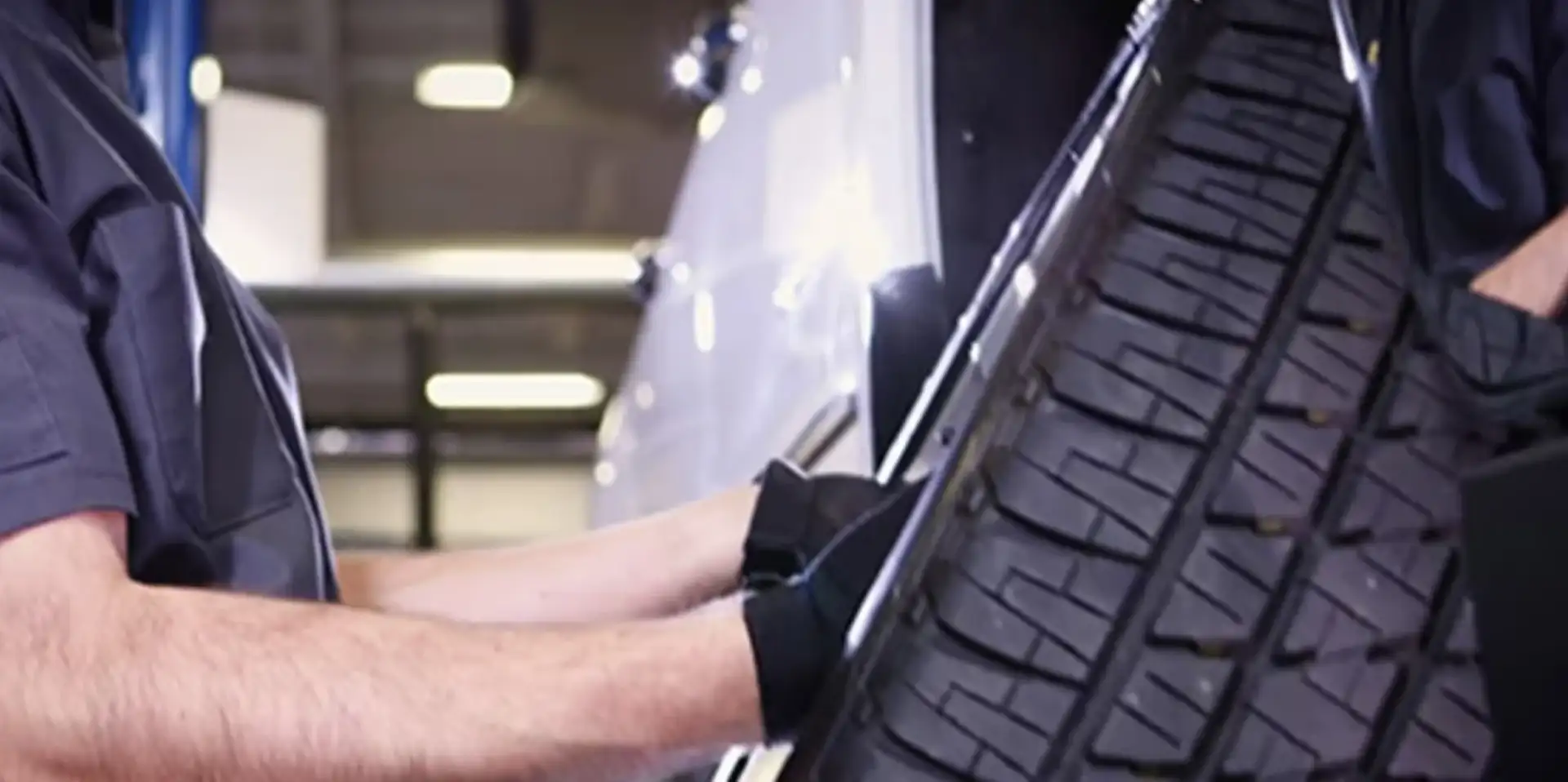
A tire can look perfectly fine while becoming less capable where it matters most: on a rain-slick road, during a fast stop, or when a Lake County winter commute turns icy. Knowing when to replace tires is not just about avoiding a flat. It is about preserving traction, braking confidence, ride quality, and the safety systems your Chevrolet relies on.
For drivers around Gurnee, Mundelein, Waukegan, and Libertyville, changing weather makes regular tire checks especially worthwhile. Summer heat, potholes, freezing temperatures, road salt, and heavy rain all take a toll. Here are the signs that it may be time for a new set.
When to Replace Tires Based on Tread Depth
Tread depth is one of the clearest indicators of tire life. Tread channels move water away from the contact patch, helping your vehicle resist hydroplaning and stop more predictably on wet pavement. As those channels wear down, traction drops long before a tire goes completely flat.
The common quick check is the penny test. Place a penny upside down in the tire’s main tread groove. If the top of Lincoln’s head is visible, the tread is at or below 2/32 of an inch, which is the legal minimum in many situations and a clear signal to replace the tire.
That said, 2/32 of an inch should be treated as the final limit, not the ideal replacement point. In northern Illinois, many drivers should start planning for replacement around 4/32 of an inch, especially if they regularly drive in rain or snow. At that depth, wet-weather and winter performance can decline noticeably even though the tire may still pass a basic legal inspection.
If your vehicle has treadwear indicator bars, look for narrow raised strips across the grooves. When the surrounding tread is flush with those bars, the tire is worn out. Check more than one spot on each tire, since uneven wear can hide the real condition.
Replace Tires After Certain Types of Damage
Some damage can be repaired safely. A small puncture in the center of the tread may be repairable when the tire has enough remaining tread and has not been driven flat. But damage in the sidewall or shoulder area is a different story.
Sidewalls flex constantly while you drive. A cut, puncture, bubble, or bulge there can weaken the tire’s structure and increase the risk of a sudden failure. Replace a tire promptly if you see a sidewall bubble, deep crack, exposed cords, or a separation in the tread.
A pothole strike can also cause internal damage that is not immediately obvious. If your Silverado, Equinox, Traverse, or another vehicle starts vibrating after hitting a pothole, pulls to one side, or loses air repeatedly, have the tire and wheel inspected. The issue could be a bent wheel, damaged bead, alignment problem, or internal tire damage.
Do not assume a tire is safe simply because it holds air. Structural problems may show up first as a vibration at highway speeds or an unusual change in handling.
Tire Age Matters, Even With Good-Looking Tread
Mileage and tread depth do not tell the whole story. Rubber ages over time as it is exposed to heat, sunlight, oxygen, moisture, and changing temperatures. A lightly driven vehicle can have tires that look deep-treaded but are still too old for dependable use.
Most tire manufacturers recommend regular professional inspections after about five years and replacement no later than 10 years from the tire’s manufacture date, regardless of visible tread. Your vehicle owner’s manual and the tire maker’s guidance should always take priority.
You can find the manufacture date in the DOT code on the tire sidewall. The final four digits show the week and year it was made. For example, a code ending in 1824 means the tire was manufactured in the 18th week of 2024.
Cracking is another age-related warning sign. Small surface cracks may develop in the sidewall or between tread blocks. While not every tiny crack requires immediate replacement, spreading cracks, deep cracking, or rubber that feels dry and brittle deserves a professional inspection.
Uneven Wear Can Mean More Than Worn Tires
Tires should wear evenly across the tread. When they do not, replacing the tire alone may not solve the cause. Paying attention early can help protect your next set of tires.
Wear concentrated in the center often points to overinflation. Wear along both outer edges can indicate underinflation. Excess wear on one edge may be related to wheel alignment, while cupping or scalloped patches can signal worn suspension components, an out-of-balance wheel, or an issue with shocks or struts.
A slow steering pull, off-center steering wheel, vibration, or thumping sound should not be ignored. Your vehicle may need an alignment, balance, rotation, or suspension inspection along with tire replacement. This is particularly relevant after repeated encounters with rough roads and potholes.
Checking tire pressure monthly is one of the easiest ways to extend tire life. Use the pressure listed on the driver-side door jamb, not the maximum pressure molded into the tire sidewall. Temperature swings can change pressure quickly, so a check before a long trip or major seasonal change is a smart habit.
How Driving Habits Affect Tire Replacement Timing
There is no universal mileage number for tire replacement. Some tires may wear out earlier than expected, while others last longer, depending on the vehicle, tire type, maintenance history, road conditions, and how the vehicle is driven.
A Chevrolet Silverado or Colorado that tows regularly, carries heavy loads, or spends time on gravel may wear tires differently than a commuter-driven Equinox. EV drivers should also pay attention to tire condition. Vehicles such as the Equinox EV, Blazer EV, and Silverado EV deliver immediate torque and can be heavier than comparable gas-powered models, which can influence tire wear if inflation, rotation, and alignment are overlooked.
Rotating tires at the interval recommended in your owner’s manual helps spread wear more evenly. Front tires on many vehicles take on more steering and braking work, while rear tires may wear differently on trucks that haul or tow. Regular rotation gives you a better chance of replacing all four tires together, rather than dealing with one or two unexpectedly worn tires.
Should You Replace One Tire, Two Tires, or All Four?
The right answer depends on your vehicle and the condition of the remaining tires. If one tire is damaged but the others have substantial, closely matched tread depth, replacing a single tire may be appropriate. However, tire size, tread pattern, remaining tread, and drivetrain all matter.
For many all-wheel-drive vehicles, large differences in tire circumference can put extra stress on the drivetrain. In those cases, replacing all four tires may be recommended, or a new tire may need to be shaved to closely match the tread depth of the others. Your service advisor can measure the remaining tread and explain the practical options.
Replacing tires in pairs is common when two tires are worn or damaged. When only two new tires are installed, they are generally placed on the rear axle to support better stability in wet conditions. This can feel counterintuitive on a front-wheel-drive vehicle, but rear traction plays a major role in helping prevent a loss of control during a turn or sudden maneuver.
Seasonal Timing for Illinois Drivers
The best time to replace tires is before they become a problem. Waiting until the first major snowstorm, a rainy weekend trip, or a warning light leaves you with fewer choices and less time to make a careful decision.
Before winter, inspect tread depth, pressure, and visible cracking. Before summer road trips, look for uneven wear and confirm that your spare tire, if equipped, is inflated and usable. If you use dedicated winter tires, install them before consistently cold conditions arrive and remove them when temperatures stay warm, since winter compounds can wear more quickly in heat.
Your tires are the only part of your vehicle that touches the road. A quick inspection can reveal whether you have plenty of miles left or whether it is time to act before weather and traffic put extra demands on them. If you are unsure what you are seeing, schedule tire service with the Libertyville Chevrolet team for a straightforward inspection and guidance based on your vehicle, driving needs, and remaining tread.
Frequently Asked Questions
Do I need winter tires in Lake County, or are all-season tires enough?
All-season tires can handle light winter conditions when they have healthy tread, but their rubber stiffens in freezing temperatures. Dedicated winter tires stay flexible in the cold and grip snow and ice better, which helps on untreated northern Illinois roads. If you commute early or often drive in snow, winter tires are worth considering. Libertyville Chevrolet can help you compare options.
Why is my tire pressure light on when it gets cold?
Air pressure drops as temperatures fall, so the first cold mornings of fall often trigger the tire pressure monitoring light. Check all four tires with a gauge and inflate them to the pressure on the driver-side door jamb. If the light stays on or one tire keeps losing air, have it inspected for a puncture or leaking valve.
Can a tire with a nail in it be repaired?
Often, yes, if the puncture is small, located in the center tread area and the tire was not driven while flat. Punctures in the sidewall or shoulder generally cannot be safely repaired, and the tire should be replaced. Avoid driving far on a tire with a nail. The Libertyville Chevrolet service team can inspect it and tell you whether a repair is possible.
How often should I get a wheel alignment?
Follow the guidance in your owner’s manual, and have the alignment checked whenever you notice a steering pull, an off-center steering wheel or uneven tire wear. Hitting a large pothole or curb is another good reason to check it. Many drivers have alignment inspected when installing new tires, which helps the new set wear evenly from the start.
0 comment(s) so far on When to Replace Tires: 7 Signs to Watch For