



Chevy Silverado Lease Deals That Fit Your Needs
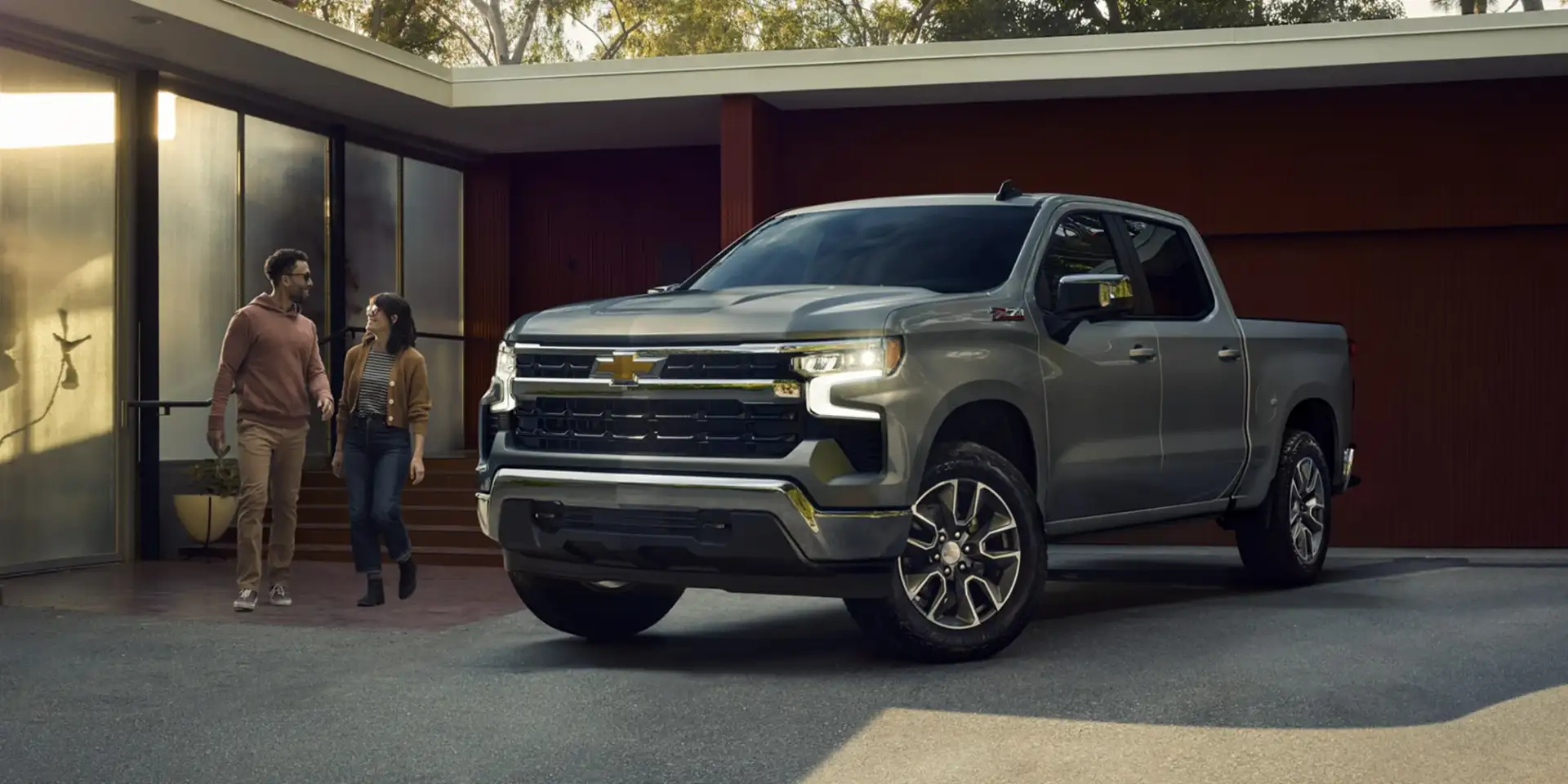
A low monthly payment can make a truck feel like an easy decision. But the best Chevy Silverado lease deals are not simply the offers with the lowest number on the window sticker. The right lease has to match how you work, drive, tow, and live around Lake County – whether that means daily commuting from Vernon Hills, hauling supplies through Waukegan, or loading up for a weekend at the lake.
For many truck shoppers, leasing a Silverado is a practical way to drive a new, well-equipped pickup while keeping a predictable payment and staying within factory warranty coverage. It can also be a poor fit if your mileage, truck use, or long-term plans do not line up with the agreement. Knowing what to compare before you sign can make all the difference.
How Chevy Silverado Lease Deals Work
A lease is an agreement to use a vehicle for a set period, commonly 24, 36, or 39 months, with a mileage allowance. Instead of paying for the Silverado’s full purchase price, you generally pay for its expected depreciation during the lease term, plus rent charges, taxes, and applicable fees.
That structure is why a lease payment may be lower than a traditional finance payment on the same truck. You are not building ownership in the usual sense, though, and the vehicle must be returned at lease end unless you decide to purchase it. A lease can make particular sense for drivers who enjoy replacing their truck every few years, want newer safety and towing technology, or prefer to avoid the uncertainty of long-term repair costs.
Your payment is shaped by several connected numbers: the Silverado’s negotiated price, its projected value at lease end, the lease rate, the term, annual mileage, taxes, fees, and any cash due at signing. Manufacturer incentives may also affect the offer. Because incentives and inventory can change, a payment advertised this month may not be available next month.
Start With the Silverado That Matches Your Truck Life
The Silverado 1500 lineup offers a broad range of configurations, from a capable work-oriented truck to a comfortable family hauler. Before comparing payments, decide which cab, bed, powertrain, and trim level suit your daily needs. Choosing features you will not use can raise the payment. Choosing too little truck can be just as frustrating after the first towing season.
A regular cab or double cab may work well for a business owner who prioritizes bed space and value. A crew cab gives rear passengers more room, which matters for families in Grayslake, Gurnee, and Buffalo Grove using their truck for school drop-offs, travel, and weekend plans. Bed length deserves equal attention. A shorter bed can be easier to park, while a longer bed may better serve equipment, materials, or recreational gear.
Powertrain choice matters, too. Some drivers prioritize strong towing capability, while others want the daily efficiency and highway range associated with an available Duramax diesel. Four-wheel drive may be worthwhile for unplowed winter roads, job sites, boat ramps, and weekend travel, but it can increase the vehicle price and lease payment. The best choice depends on where and how often you will use it.
Do Not Shop by Payment Alone
Two Silverado leases can show a similar monthly payment while having very different terms. One may require substantially more money due at signing. Another may include fewer miles or a longer commitment. Ask for the complete lease worksheet and compare the same details across offers.
Pay attention to the total due at signing, not just the advertised down payment. This amount can include the first payment, acquisition fee, registration costs, taxes, and other upfront charges. Putting a large amount down can lower the monthly payment, but it is not always the best strategy. If the truck is stolen or declared a total loss early in the lease, that upfront money generally is not refunded.
Mileage Is the Lease Detail That Deserves Extra Attention
Mileage is often where a seemingly attractive truck lease stops making sense. Many leases are structured around 10,000, 12,000, or 15,000 miles per year. Drivers who stay close to home may be comfortable with a lower allowance. Drivers regularly traveling between Lake Forest, Mundelein, Wauconda, and job sites across the region should estimate more carefully.
Look at your current vehicle’s odometer, your commute, family road trips, towing trips, and business travel. Then add a realistic cushion. Excess-mile charges can apply when you return the truck, and they can add up quickly if you choose an allowance that is too low.
Truck use also affects wear. A Silverado used for light home projects and weekend towing will wear differently than one used every day around construction materials, landscaping equipment, or rough work sites. Normal wear is expected, but larger dents, tire wear, windshield damage, and missing equipment can result in end-of-lease charges. Ask what the lease considers normal wear before delivery, not at turn-in.
Compare Lease Offers With a Clear Checklist
When you are reviewing Chevy Silverado lease deals, ask the dealership to explain the same core figures on every quote. You should know the exact truck being quoted, including trim, drivetrain, packages, and MSRP. You should also know the lease length, annual mileage limit, monthly payment, total due at signing, and whether taxes are included in the advertised payment.
It is also smart to ask about the purchase option at lease end, commonly called the residual value, and the fee that may apply if you return the truck. If you have a trade-in, separate its value from the lease transaction so you can see exactly how it affects the numbers. A trade-in can reduce the amount due at signing or help cover upfront costs, but you should still understand its market value.
Shoppers should be cautious about comparing an advertised base-model payment to a quote for a better-equipped truck. The payment may look different because the vehicles are different, not because one offer is necessarily better. A transparent comparison starts with like-for-like trucks.
Is Leasing Better Than Buying a Silverado?
Leasing is not automatically better than financing. It is a different tool for a different type of driver.
Leasing may fit if you want a new Silverado every few years, expect to stay within the mileage limit, prefer warranty coverage during your ownership period, and value a lower monthly payment. It can be especially appealing for drivers who want access to the latest trailering technology, camera systems, driver-assistance features, and cabin updates without committing to a long finance term.
Buying may be the stronger choice if you plan to keep the truck for many years, drive high annual miles, modify it, or use it in demanding work conditions. Ownership also gives you the freedom to sell or trade when you choose, although it comes with responsibility for the vehicle’s value and maintenance as it ages.
For value-focused shoppers, a certified used truck can be another path worth considering. A late-model Silverado may offer lower upfront pricing than a new model, while a new lease may offer payment advantages through current manufacturer programs. The right answer depends on your budget, anticipated miles, and how long you want to keep the truck.
Consider Your Next Vehicle, Too
If you are comparing a Silverado 1500 with a Colorado, think beyond the payment. The Colorado may be easier to maneuver and better suited to lighter-duty needs, while the Silverado gives many buyers more space, towing confidence, and configuration choices. If you are EV-curious, the Silverado EV brings a different ownership and charging conversation altogether. It is worth comparing your actual towing, payload, range, and charging needs rather than choosing solely based on what is new.
Questions to Ask Before You Sign
A good lease conversation should feel straightforward. Ask whether the payment includes all taxes and fees, what happens if you exceed mileage, how excess wear is assessed, and what choices you will have at lease end. Ask whether you can purchase the truck, trade it early, or extend the lease if your next vehicle is not ready.
You should also discuss your budget in full, including insurance, fuel, maintenance, accessories, and the costs of towing or work use. A payment that fits on paper should still leave room for the rest of your household or business expenses.
At Libertyville Chevrolet, our team can help shoppers compare Silverado configurations and lease terms without losing sight of the details that matter after delivery. Bring your trade-in information, a realistic estimate of your annual driving, and a list of must-have truck features. From there, you can explore new vehicle options, review financing choices, and choose a Silverado plan that feels comfortable for the road ahead.
Frequently Asked Questions
Can I tow with a leased Silverado?
Yes, towing within the truck’s rated limits is generally fine on a lease. Keep in mind that heavy towing and work use can add wear, and excess wear may lead to charges at turn-in. Choose a Silverado configured for the trailers you actually pull, and ask the Libertyville Chevrolet team how wear is assessed before you sign.
Can I add accessories like a bed liner or tonneau cover to a leased Silverado?
Many leasing customers add practical accessories such as bed liners, tonneau covers and floor liners. Permanent modifications like lift kits or major engine changes can create problems at lease end, so check your lease terms first. The parts and accessories team at Libertyville Chevrolet can suggest options that protect the truck without complicating your return.
Can I end a Silverado lease early?
Often you can, but early termination may involve fees or a payoff that exceeds the truck’s value. Some drivers trade in a leased truck before the term ends if its market value covers the payoff. Request your lease payoff, then have Libertyville Chevrolet appraise the truck so you can see whether an early trade makes sense.
Is four-wheel drive worth it on a leased truck in northern Illinois?
For many Lake County drivers it is. Four-wheel drive helps on unplowed side streets, icy boat ramps and muddy job sites, and it can support resale value, which may help the lease residual. It also adds to the price. Consider how often you face those conditions and compare both setups at Libertyville Chevrolet before deciding.
0 comment(s) so far on Chevy Silverado Lease Deals That Fit Your Needs