



Silverado versus Ford F-150: Which Fits You?
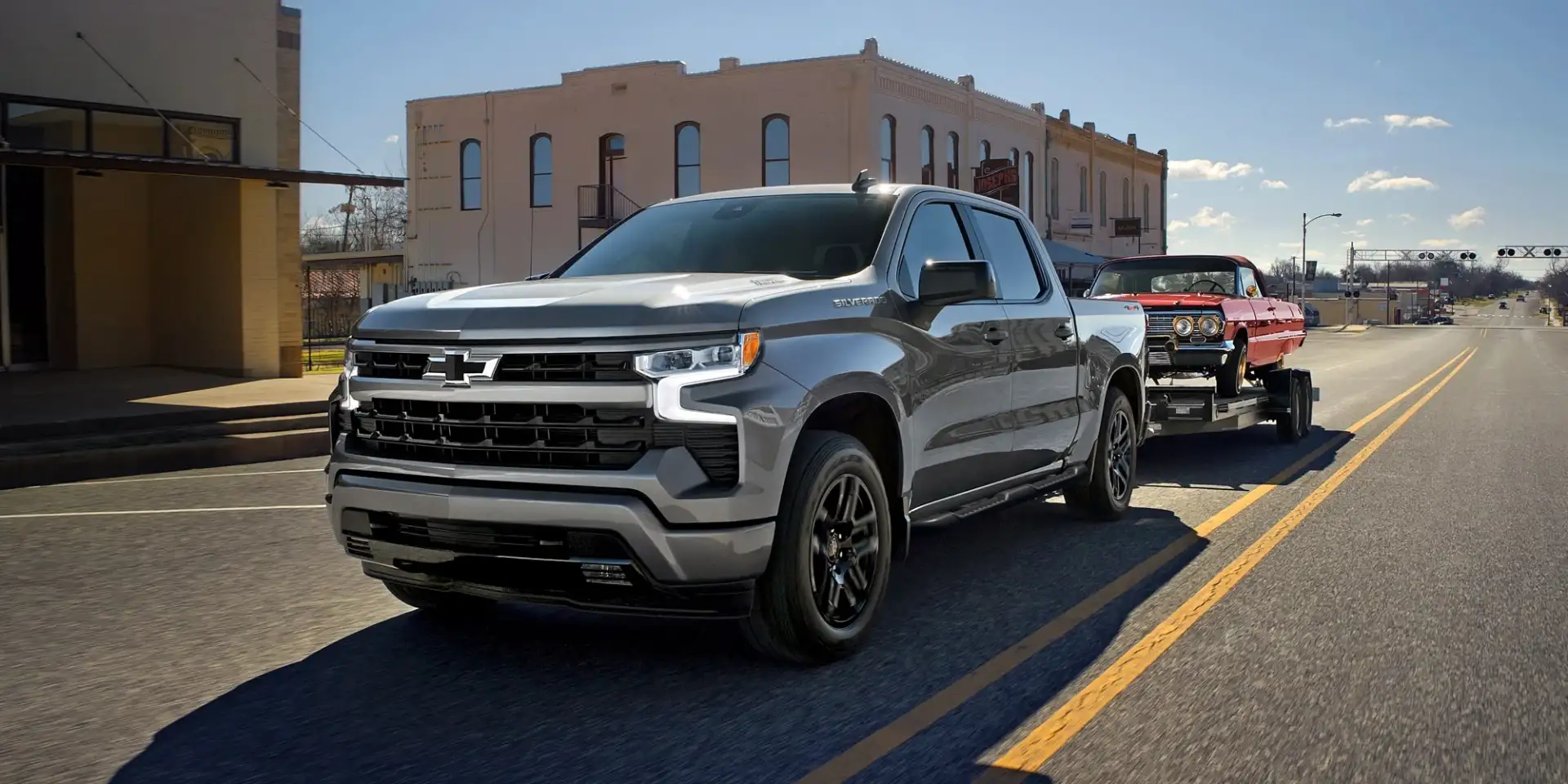
A full-size pickup has to earn its place in your driveway. It may tow a boat to Fox Lake one weekend, carry materials for a home project the next, and still handle the everyday commute through Gurnee, Mundelein, or Vernon Hills. In the Silverado versus Ford F-150 decision, both trucks bring serious capability. The better choice comes down to how you work, what you tow, and the kind of ride you want when the bed is empty.
The Chevrolet Silverado 1500 and Ford F-150 are longtime rivals for good reason. Each offers multiple cab and bed choices, strong towing ratings, advanced trailering technology, and a broad range of trims. Looking beyond the headline numbers helps make the comparison more useful.
Silverado versus Ford F-150: Capability First
A properly equipped next-generation Silverado 1500 can tow up to 13,700 pounds, while a properly equipped F-150 can reach a maximum towing rating of 13,500 pounds. That narrow gap should not decide the purchase for most drivers. Your actual rating depends on the cab, bed, engine, axle ratio, drivetrain, hitch equipment, passengers, and cargo you choose.
For a camper, utility trailer, fishing boat, or occasional equipment trailer, either truck can be an excellent match when configured correctly. The key is to account for the loaded trailer weight, not the empty weight listed in a brochure. Payload matters just as much. It includes people in the cab, tools in the bed, hitch weight, and everything else the truck carries.
The next-generation Silverado offers a maximum payload rating of up to 2,340 pounds in select configurations. The F-150 can reach up to 2,440 pounds when properly equipped. Those numbers are useful benchmarks, but the payload sticker on the exact truck you are considering is what counts. A well-equipped crew cab with four-wheel drive will have a different real-world payload than a work-focused regular cab.
Where Silverado stands out for many truck owners is its available Duramax 3.0L turbo-diesel engine. It delivers 495 lb-ft of torque and is a compelling option for drivers who regularly tow longer distances. On the next-generation Silverado, the available 6.6L V8 produces up to 481 horsepower and 501 lb-ft of torque for drivers who prefer traditional V8 response. The standard TurboMax engine brings up to 350 horsepower and 455 lb-ft of torque, giving many buyers more low-end pull than they expect from the base powertrain.
Ford answers with a wide engine lineup that includes EcoBoost V6 choices, a 5.0L V8, a PowerBoost hybrid, and high-output performance variants. The F-150 PowerBoost can be especially appealing for drivers interested in hybrid efficiency and available onboard power. It is a smart feature for a jobsite, tailgate, or emergency power needs, although buyers should consider whether they will use it often enough to make it a priority.
Bed Design and Everyday Work
Truck beds are more than a length measurement. They shape how easily you load supplies, secure gear, and reach items near the cab. Silverado offers short, standard, and long-bed availability depending on the cab configuration. Its Durabed is built for generous cargo volume, along with available integrated bed steps, tie-downs, and a power-up/down tailgate.
The available Multi-Flex Tailgate is one of Silverado’s most practical advantages. Its six configurations can help create a load stop for lumber, a stepped entry into the bed, or a workstation-like surface. For a homeowner hauling mulch, a contractor carrying long materials, or a family packing camping equipment, it is the sort of feature that becomes more useful over time.
The F-150 has its own thoughtful cargo solutions, including the available Pro Access Tailgate on certain newer configurations. This design includes a door within the tailgate, allowing easier access to the bed when a trailer is connected or when the tailgate cannot be fully lowered. Buyers who frequently work in tight spaces may find that especially convenient.
Neither bed setup is universally better. If flexible loading and tailgate functions are at the top of your list, Silverado deserves a close look. If close-up bed access with the tailgate partially blocked fits your work routine, the Ford approach has real appeal.
Cab Comfort, Screens, and Useful Technology
Full-size trucks increasingly serve as family vehicles, and both models offer roomy crew cabs with available premium materials, large touchscreens, and driver-assistance features. The right interior often comes down to trim level and personal preference rather than the badge on the grille.
Silverado’s cabin is designed around straightforward controls and practical storage. Its large diagonal center touchscreen and digital driver information center give the truck a modern feel without making routine tasks difficult. Wireless phone integration and available Google built-in compatibility make navigation, calls, and music easier to manage on the road.
The F-150 offers an available large center display and a well-regarded work-focused interior layout. Certain versions offer an available Interior Work Surface, which can create a flat workspace when parked. It may be valuable for someone who handles estimates, schedules, or paperwork between appointments.
For families around Lake County and beyond, bring the people who will ride in the truck most often when you test-drive. Check rear-seat knee room, car-seat fitment, step-in height, storage for sports equipment, and visibility from your normal driving position. A truck can look great on a spec sheet and still feel wrong for your daily routine.
Trailering Confidence Matters More Than the Maximum Rating
A maximum tow rating is useful, but a truck’s trailering features can make a bigger difference every time you hook up. Silverado offers available camera views, an in-vehicle trailering app, trailer profiles, and trailer status monitoring. Available Super Cruise hands-free driver assistance can also operate while towing on compatible roads in properly equipped Silverado models, a notable consideration for drivers who make long highway trips.
Ford offers available Pro Trailer Backup Assist and other trailering aids intended to simplify maneuvering and hitching. For some drivers, especially those new to backing a trailer, that feature may be a deciding factor.
The best approach is to think through the moments that cause stress: lining up a hitch, checking trailer lights, changing lanes with a camper behind you, or backing into a crowded launch area. Ask to see the exact truck’s camera and trailering functions in person. Equipment availability can vary significantly by trim, package, and model year.
Which Truck Makes Sense for You?
Choose Silverado if you value its available diesel torque, Multi-Flex Tailgate versatility, available Super Cruise trailering capability, and a lineup that ranges from straightforward work trucks to well-appointed family-ready models. It is particularly compelling for shoppers who want a proven V8 option or who spend a lot of time hauling gear in the bed.
Choose the F-150 if its available hybrid powertrain, onboard power options, tailgate access design, or specific towing technology better fits your needs. The F-150 is not a one-size-fits-all truck either, and its broad engine range gives buyers many ways to prioritize performance, efficiency, or jobsite functionality.
There is also a third consideration: the truck you can configure for the tasks you actually perform. A Silverado 1500 with the right trailer package, bed length, cab, and engine is a better fit than a higher-rated truck equipped for someone else’s workday. The same is true when comparing a new truck with a quality pre-owned option. Condition, maintenance history, warranty coverage, and equipment can be every bit as important as model year.
Before making a final call, write down your heaviest expected trailer, typical bed cargo, number of passengers, preferred fuel type, and must-have features. Then sit in the trucks, drive them on familiar roads, and review the door-jamb payload label on the exact vehicle. At Libertyville Chevrolet, our team can help you compare Silverado configurations, explore new and used options, and discuss financing that fits your plans. The right truck should feel ready for the work ahead and comfortable enough for everything that happens after the work is done.
Frequently Asked Questions
Where do I find the payload rating for a specific Silverado?
Look for the Tire and Loading Information label on the driver’s side door jamb. It lists the maximum combined weight of passengers and cargo for that exact truck as built. Because options, cab style, and drivetrain all change payload, this label is more reliable than a brochure figure. Our Libertyville Chevrolet team can show you the label on any Silverado in inventory.
Do I need a weight-distribution hitch to tow a camper with a Silverado?
It depends on the trailer’s weight, tongue weight, and the truck’s specific equipment. The Silverado owner’s manual and trailering guide explain when weight distribution is recommended or required. Many owners of larger travel trailers use one for added stability. Libertyville Chevrolet’s parts and accessories team can help you choose hitch equipment that matches your truck and trailer.
Is four-wheel drive worth it on a pickup in northern Illinois?
For many Lake County drivers, yes. Four-wheel drive helps on snowy side streets, unplowed driveways, wet boat ramps, and muddy jobsites, especially when the bed is empty and the rear end is light. It does add weight and can reduce payload slightly. Good winter tires still matter most for stopping and turning. Test both drivetrains at Libertyville Chevrolet before you decide.
Should I buy a new or used Silverado for towing?
Both can work well. A new Silverado lets you choose the exact engine, axle ratio, and trailering package you need, along with full factory warranty coverage. A certified used Silverado can offer strong value if it already has the right towing equipment and a clean maintenance history. Libertyville Chevrolet can help you compare both options against your actual trailer weight.
0 comment(s) so far on Silverado versus Ford F-150: Which Fits You?