



How to Trade In a Car With a Loan at a Dealer
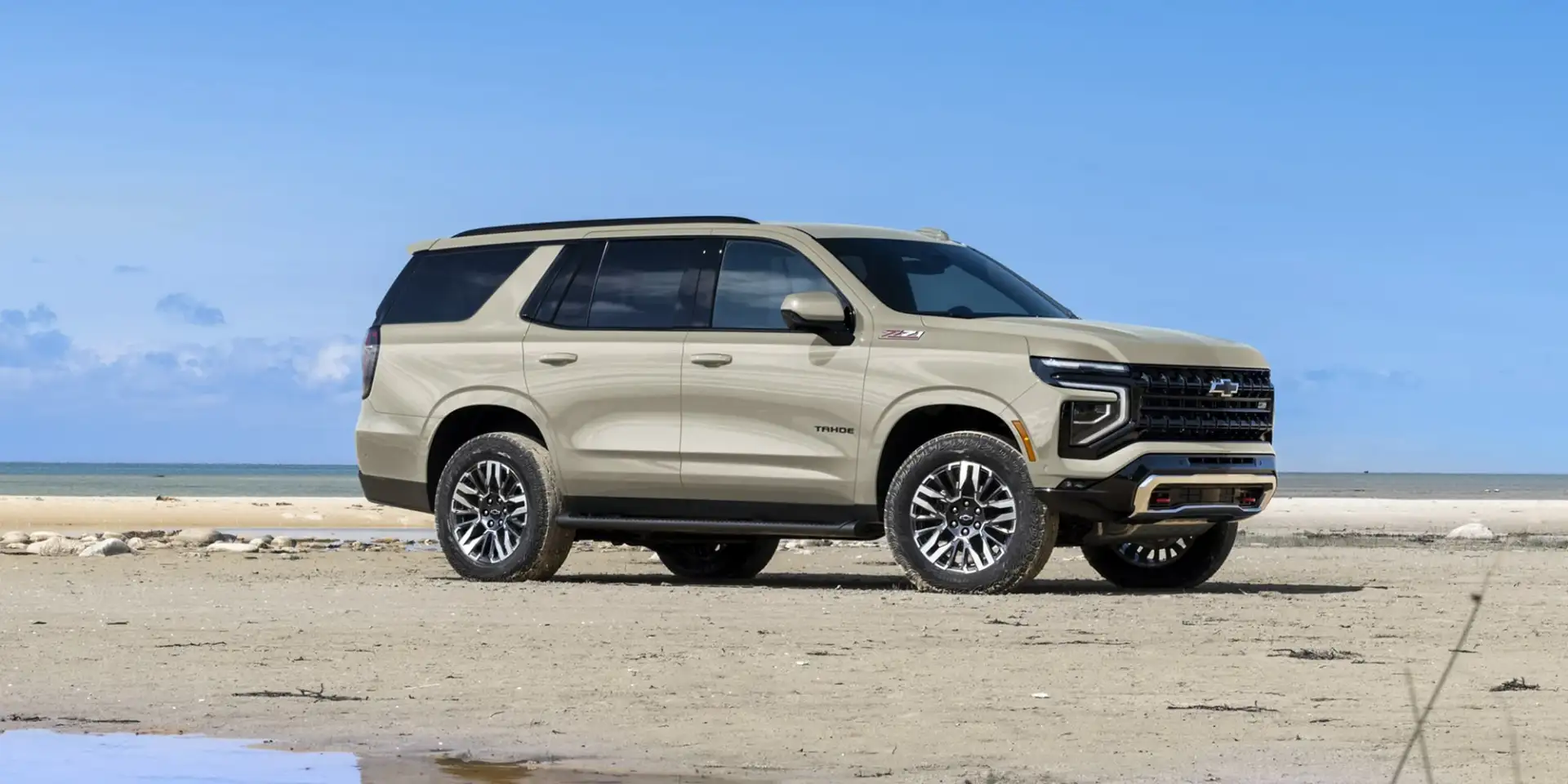
The keys are in your hand, but the loan is still on your current vehicle. That does not mean you have to wait until it is paid off to shop for something that better fits your life. You can trade in a car with a loan, whether you are moving into a family-ready Chevrolet Traverse, a capable Silverado, or an EV such as the Equinox EV. The key is knowing how your payoff, trade value, and next loan work together before you make a decision.
For drivers around Gurnee, Mundelein, Grayslake, and Lake Forest, trading a financed vehicle can be a practical way to move into a vehicle with more passenger room, truck capability, newer safety technology, or a different powertrain. It is also a transaction where a clear conversation matters more than a quick promise.
Can You Trade In a Car With a Loan?
Yes. A dealership can accept your current vehicle as a trade even when you still owe money on it. As part of the transaction, the dealership verifies the payoff amount with your lender and arranges for the existing loan to be paid off. Your trade’s value is then applied to the next vehicle purchase.
What happens next depends on your equity position. If the vehicle is worth more than the amount needed to pay off the loan, you have positive equity. That equity can reduce the amount you finance on your next vehicle. If the payoff is higher than the trade value, you have negative equity, sometimes called being upside down on the loan. The remaining balance may be included in the financing for your replacement vehicle, subject to lender approval.
Neither situation automatically makes trading a bad choice. It simply changes the numbers and the conversation you should have with your sales and financing team.
Your Payoff Is Not Always Your Loan Balance
A common source of confusion is the difference between the balance shown on a monthly statement and the actual payoff amount. Your payoff is the amount your lender requires to fully close the loan on a specific date. It may include interest that has accrued since your last payment, so it can change over time.
Before you shop, request a current payoff quote from your lender. Ask how long it is valid and whether there are any instructions the dealership will need to complete the payment. Having that information early helps create a more accurate trade-in estimate and prevents surprises at signing.
Your Vehicle’s Trade Value Is a Separate Number
The second number is the value of your vehicle. A dealership appraisal considers its year, model, trim, mileage, mechanical condition, appearance, maintenance history, tire condition, local demand, and current market conditions. Two SUVs that appear similar online can receive very different appraisals if one has been consistently serviced and the other needs tires, brakes, or body repair.
Be straightforward about your vehicle’s condition. It saves time and helps the appraisal reflect the full picture from the start. Bring service records if you have them, especially for maintenance or repairs that show the vehicle has been cared for.
How Equity Works When You Trade In a Car With a Loan
The basic calculation is simple: subtract your loan payoff from your vehicle’s trade-in value. A positive result means you have equity. A negative result means there is a remaining balance to address.
With positive equity, the value can function much like a down payment on your next vehicle. It may lower the amount financed and can make it easier to choose the payment structure that fits your household.
With negative equity, it is worth slowing down and reviewing the full financing picture. Rolling a remaining balance into a new loan may be appropriate when you genuinely need a different vehicle, such as when your family has outgrown its current SUV or your work calls for a truck. Still, it can increase the amount financed and may extend the time it takes to build equity in the next vehicle.
There are ways to limit that impact. You may decide to make an additional down payment, select a vehicle that better matches your financing goals, or wait and pay down the current loan if your situation allows. The best path depends on your transportation needs, credit profile, and how soon you need to make a change.
Choose the Next Vehicle With the Whole Deal in Mind
It is easy to focus only on the monthly payment, but a good trade-in decision also considers the amount financed, loan term, vehicle condition, expected ownership time, and daily needs. A payment that looks comfortable can still deserve a closer look if it relies on a long term or carries substantial negative equity forward.
Start with why you are replacing your current vehicle. A Silverado or Colorado may make sense for towing, hauling, jobsite needs, or weekend projects. An Equinox, Blazer, or Traverse may be a better match for commuting, family seating, and cargo flexibility. If you are EV-curious, the Equinox EV, Blazer EV, and Silverado EV each bring a different balance of range, space, and capability.
You also have a choice between new and used vehicles. A newer Chevrolet may offer the latest features and warranty coverage, while a CarBravo certified used vehicle can be a compelling option for value-focused shoppers. The right choice is not always the newest model. It is the one that meets your needs without putting unnecessary pressure on your budget.
What to Bring for a Smooth Trade-In
A few prepared items make the appraisal and payoff process much easier. Bring your driver’s license, vehicle registration, insurance information, all available keys or key fobs, and your lender account details. If another person is listed on the title or loan, they may need to be involved in the paperwork as well.
It also helps to bring maintenance records, payoff information, and any accessories that came with the vehicle. A second key, cargo cover, charging cable, owner manuals, and wheel-lock key can all matter when the dealership evaluates your trade.
Before your appointment, remove personal items from the glove box, center console, door pockets, cargo area, and connected vehicle apps. If you have stored home addresses, garage codes, or personal contacts in the infotainment system, reset the system when you are ready to hand over the vehicle.
Questions Worth Asking Before You Sign
A welcoming dealership should be comfortable walking through the details with you. Ask for the trade value, the lender payoff, and the difference between those two numbers. Then ask how that difference is reflected in the next vehicle’s financing.
You can also ask whether the loan term and payment align with your goals, what documentation is needed to complete the payoff, and when you should expect confirmation that the old account is closed. Keep making scheduled payments until your lender confirms the payoff has posted. If a payment is due while the transaction is being finalized, ask the financing team how to handle the timing.
If you have negative equity, ask to see more than one option. Comparing different vehicles, down payment amounts, and financing structures can make the trade-offs easier to understand. There is value in taking the time to choose confidently rather than trying to force a deal that does not fit.
When Waiting May Be the Better Move
Trading now is not always the right answer. If your current vehicle is reliable, your payoff is significantly higher than its trade value, and you do not need to replace it soon, paying down the loan for a while may put you in a stronger position. Continuing regular maintenance can also help preserve the vehicle’s condition and future trade value.
On the other hand, waiting may not be practical if you need more space for a growing family, your vehicle no longer meets work demands, or repair needs are becoming harder to manage. The goal is not to avoid every remaining balance. It is to make an informed decision based on your real needs.
When you are ready, bring your vehicle and payoff information to Libertyville Chevrolet for a straightforward appraisal and financing conversation. You can compare new Chevrolet models and used options, review the trade details at your pace, and leave with a clearer idea of what makes sense for your next mile.
Frequently Asked Questions
Can I trade in a leased vehicle instead of a financed one?
Often, yes. A dealership can request a payoff from the leasing company and treat the vehicle much like a financed trade. If the payoff is lower than the vehicle’s value, that difference may help with your next purchase. Some leasing companies have restrictions on third-party buyouts, so ask the Libertyville Chevrolet team to check your lessor’s current policy before you visit.
Will trading in a car with a loan hurt my credit?
Paying off the old loan through a trade is reported as a closed account, and applying for new financing usually involves a credit inquiry. Keep making your current payments until the lender confirms the payoff, since a missed payment during the transition could be reported. The finance team at Libertyville Chevrolet can explain how the timing works for your situation.
Can I trade in a vehicle that is not a Chevrolet?
Yes. Libertyville Chevrolet accepts trades of most makes and models, whether you drive another brand of truck, SUV, car, or EV. The appraisal looks at condition, mileage, equipment, and local demand rather than the badge. You can start with an online trade-in estimate, then bring the vehicle in for an in-person appraisal.
What if the title or loan is in someone else’s name?
Everyone listed on the title or loan typically needs to be part of the paperwork, either in person or through the documents your lender and the state require. In Illinois, title transfers follow Secretary of State rules. If a co-owner cannot attend, ask the Libertyville Chevrolet team ahead of time what forms or authorization will keep the trade moving smoothly.
0 comment(s) so far on How to Trade In a Car With a Loan at a Dealer